ANCESTORIAL CHAIRS - Available for sale
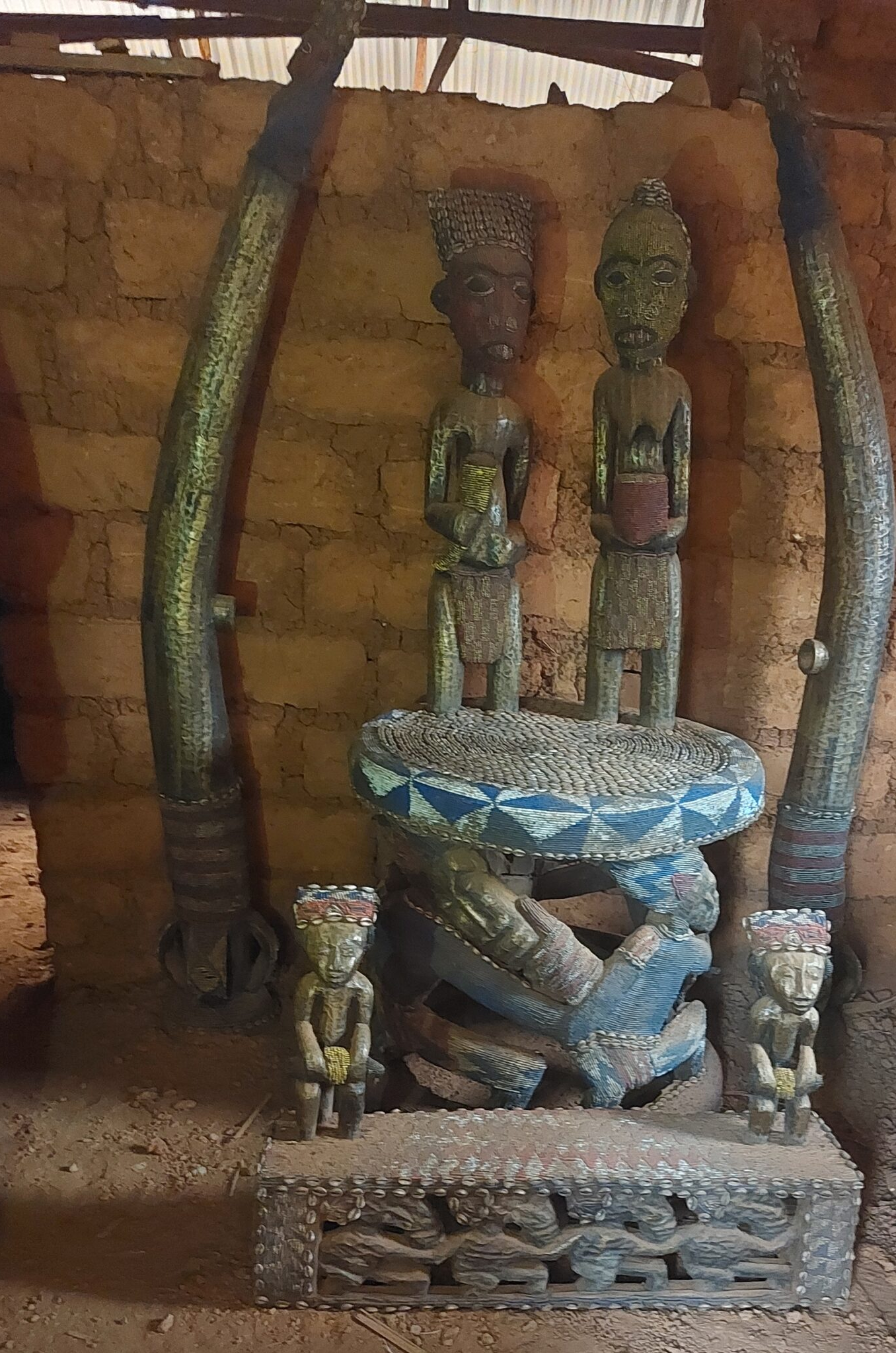
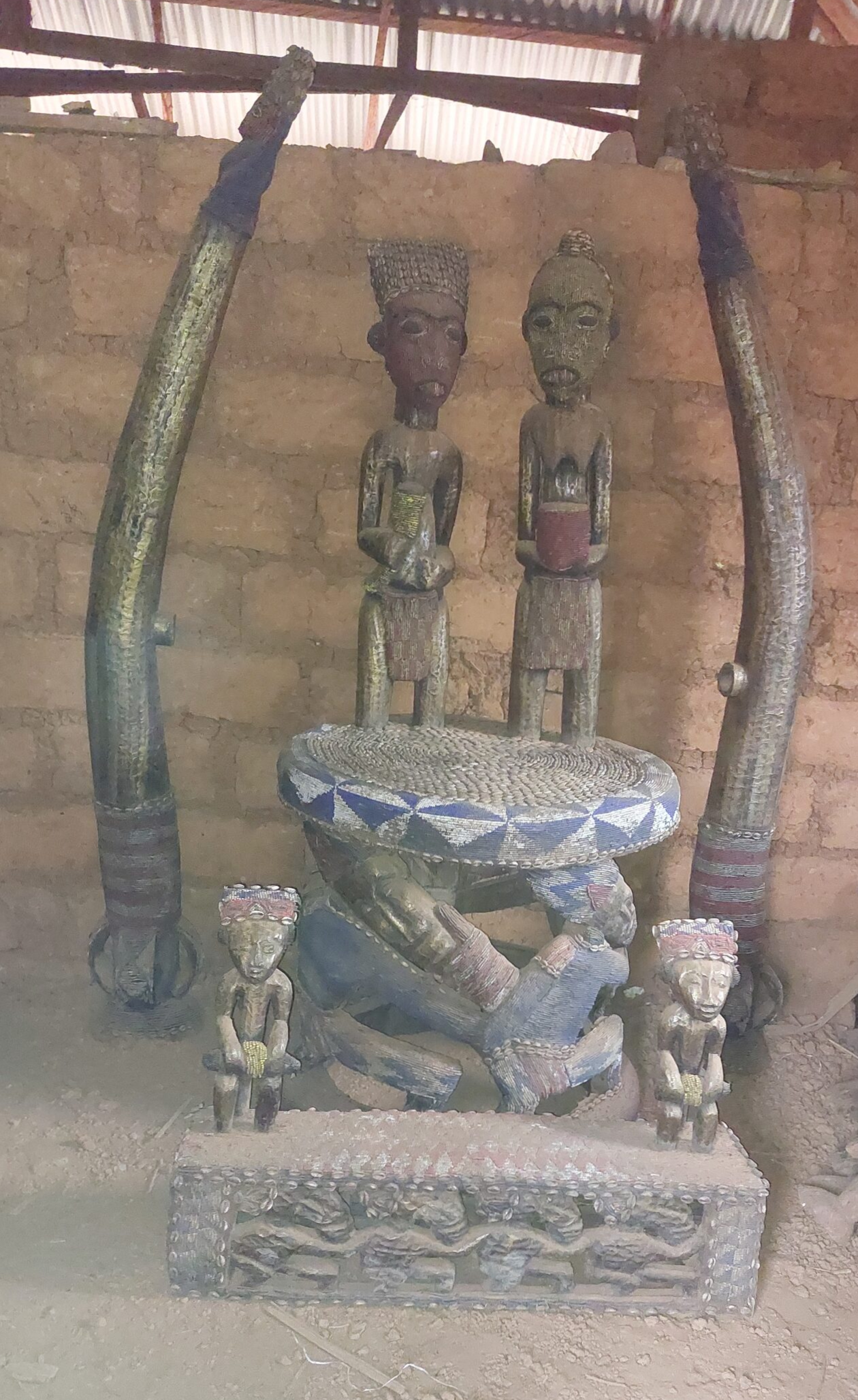
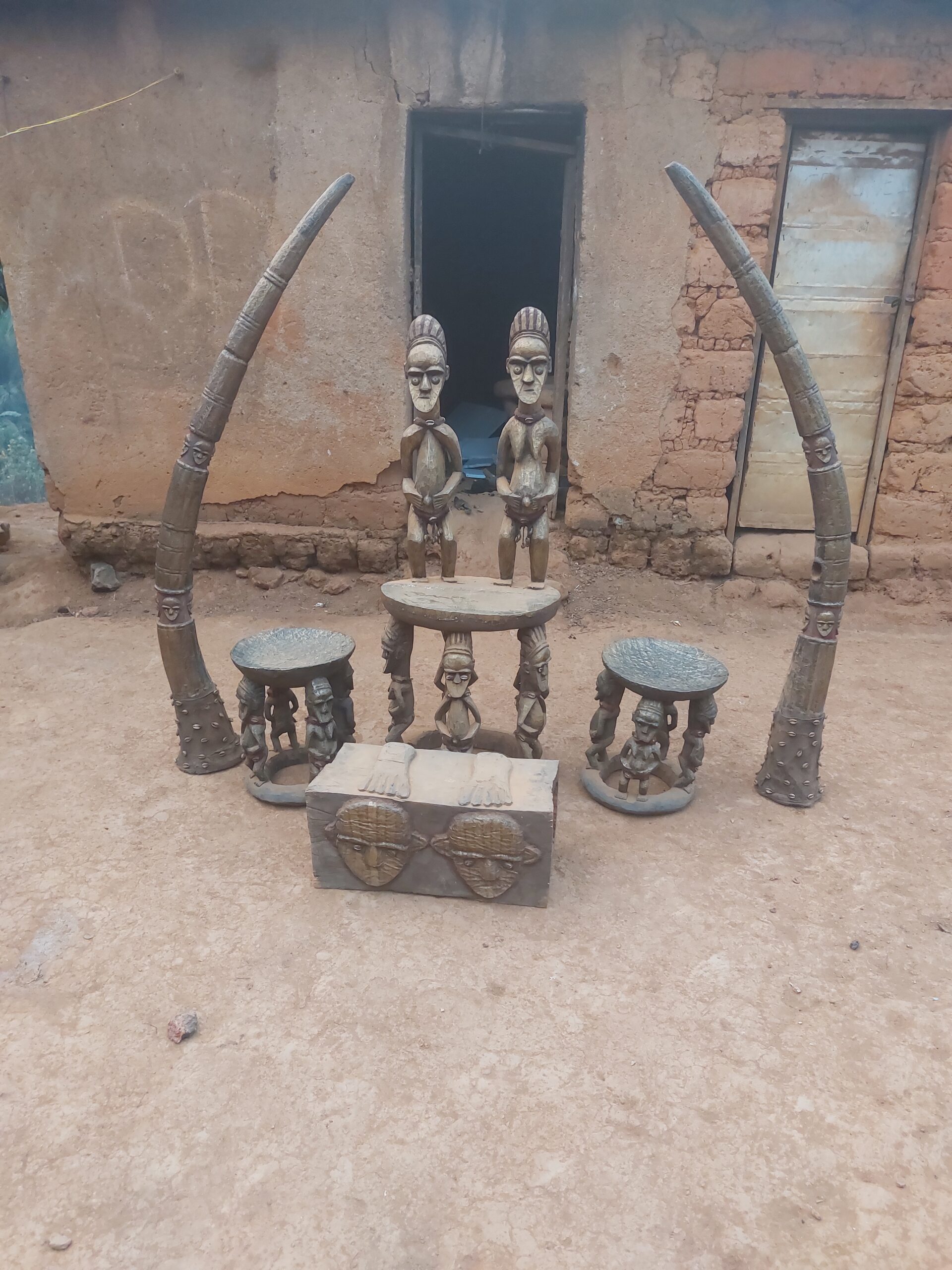
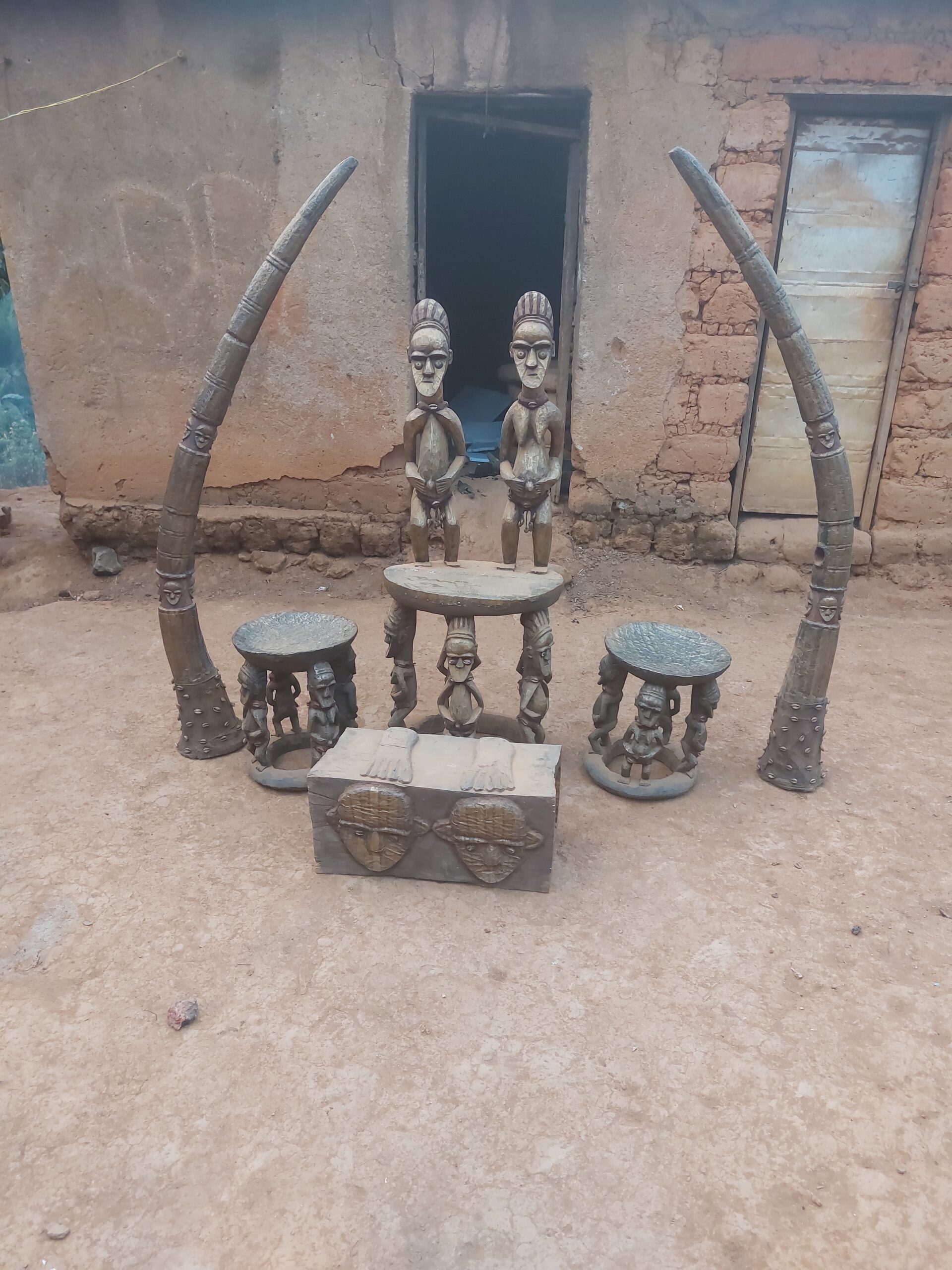
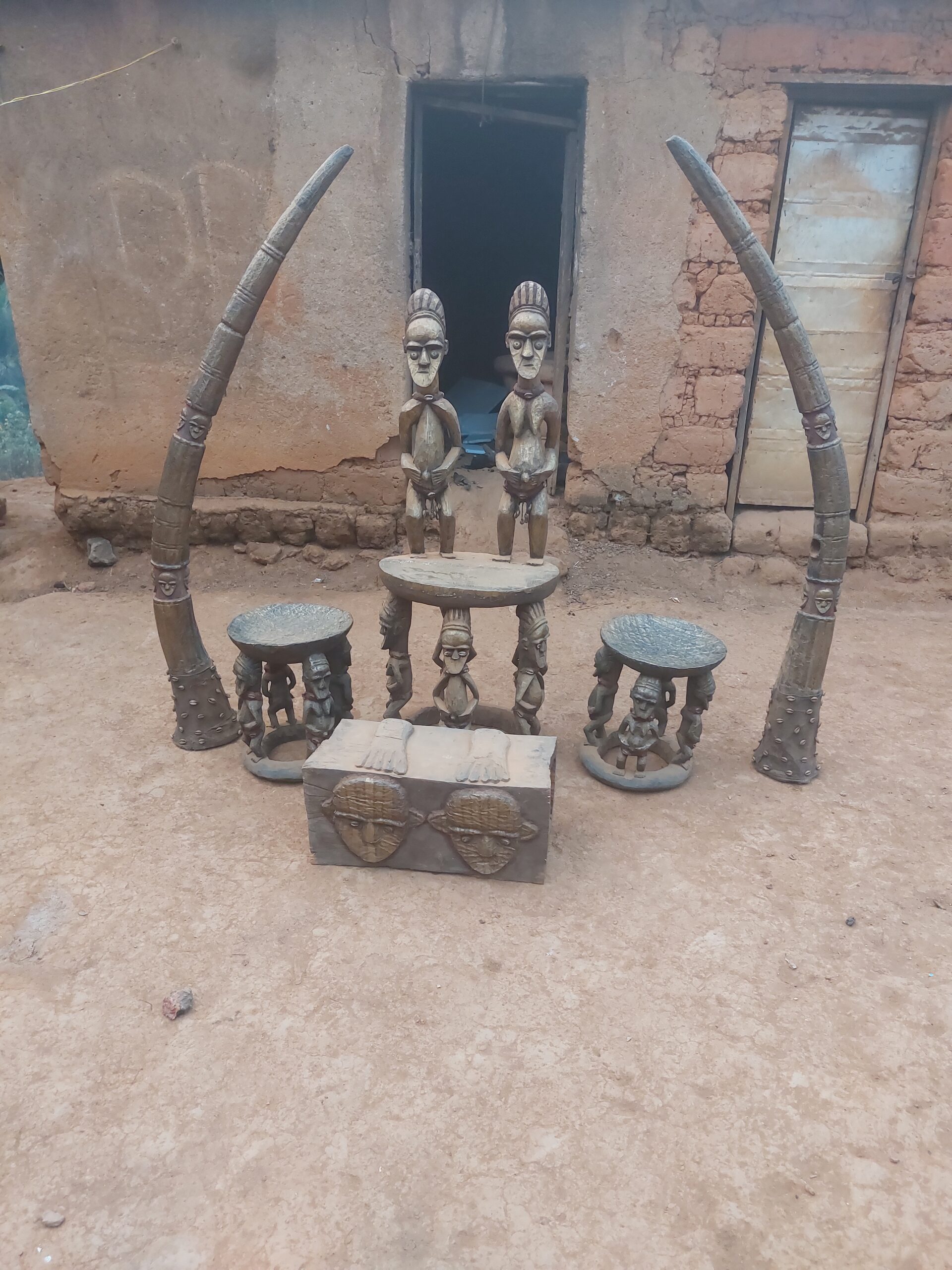
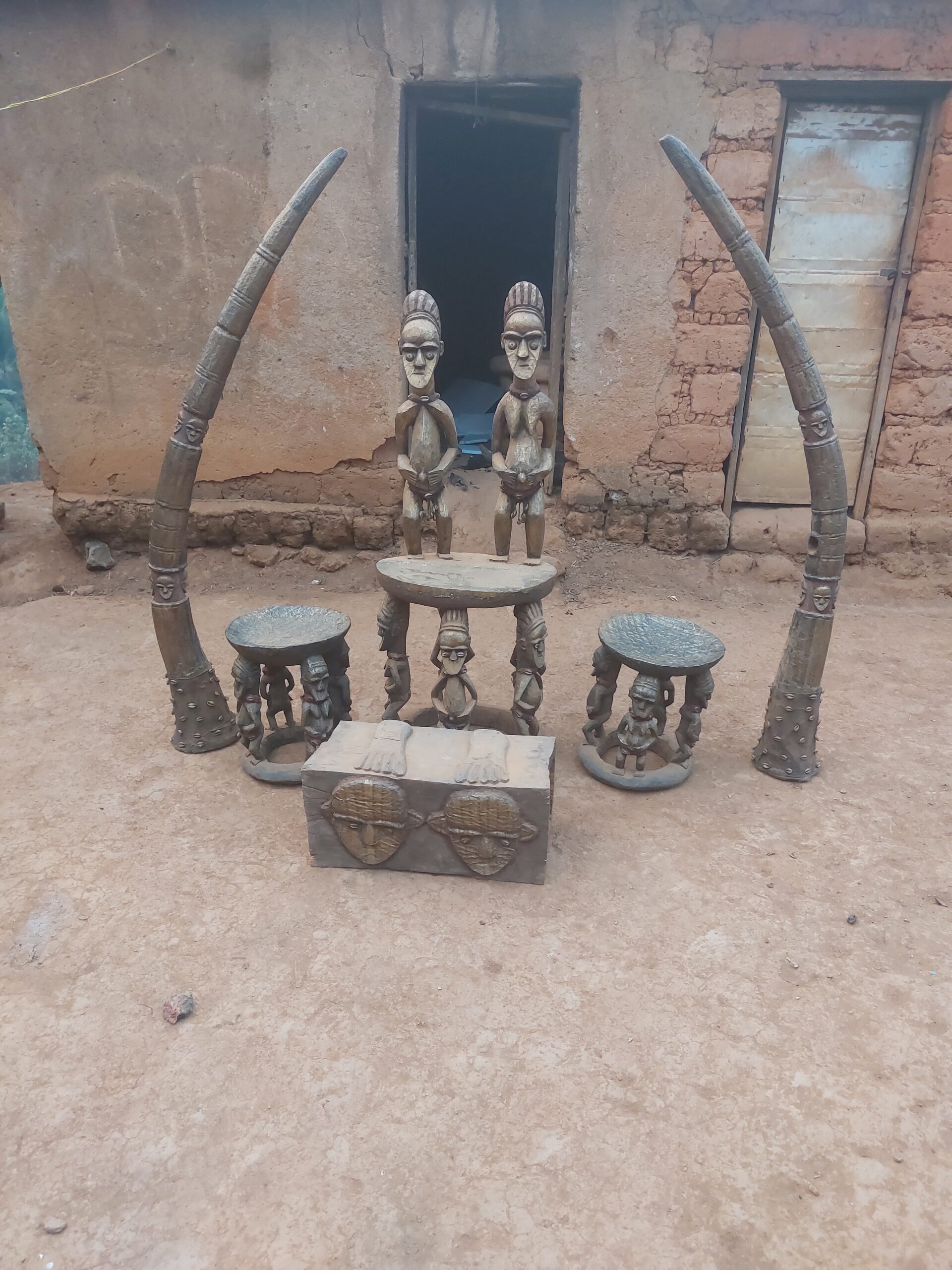
Discover the extraordinary world of Bamoun craftsmanship through our Secret Chairs, now available for sale! Each chair is an embodiment of powerful symbolism and profound cultural significance, serving not only as a seat for our leaders and healers but also as a vessel of history and tradition.
The King Secret Chair - Since 1516
The King Secret Chair is esteemed as a powerful symbol of authority and divine connection in Bamoun royalty. It is crafted with rich woods and embellished with gold accents, representing the majesty and strength of the king. This chair is believed to be infused with the spirit of ancestral kings, providing guidance and wisdom to those who hold the throne.
A famous tale tells of King Njoya, a ruler known for his brilliance and insight. One night, after a day filled with difficult decisions, he sat in the King Secret Chair to seek guidance from his ancestors. As he closed his eyes, a vision unfolded before him. The ancestral spirits appeared, surrounding him with light, offering him advice on leading his people in harmony and prosperity.
Awakening with renewed clarity, King Njoya implemented reforms that fostered unity and progress. His reign became legendary, and people spoke of how the chair’s power had transformed him into a revered leader. Even today, the King Secret Chair is a symbol of wise leadership, reminding future rulers of their duty to serve their people with integrity.
The Chair of Mercy - Since 1740
The Chair of Mercy is revered as a symbol of compassion and forgiveness, embodying the essence of benevolence within the Bamoun community. Traditionally adorned with intricate carvings and soft fabrics, this chair is seen as a sacred seat where leaders extend empathy and understanding to those in need. It is believed that those who sit in this chair are granted the wisdom to make decisions that reflect kindness and mercy.
One of the most cherished legends is about a wise leader named Fon Mola, who ruled with a heart full of compassion. During a time of great famine, a desperate villager approached the king, begging for aid. Instead of turning the villager away or punishing him for his failures, Fon Mola invited him to sit in the Chair of Mercy.
As the villager sat down, he felt the heavy weight of his hardships begin to lift. Fon Mola listened intently as the villager shared his troubles, and with the wisdom bestowed by the chair, the king devised a plan to provide food and resources to all those suffering in the kingdom. This act of mercy not only saved countless lives but also solidified Fon Mola’s reputation as a compassionate ruler. The legend of the Chair of Mercy continues to inspire leaders to approach their people with kindness and understanding in times of need.
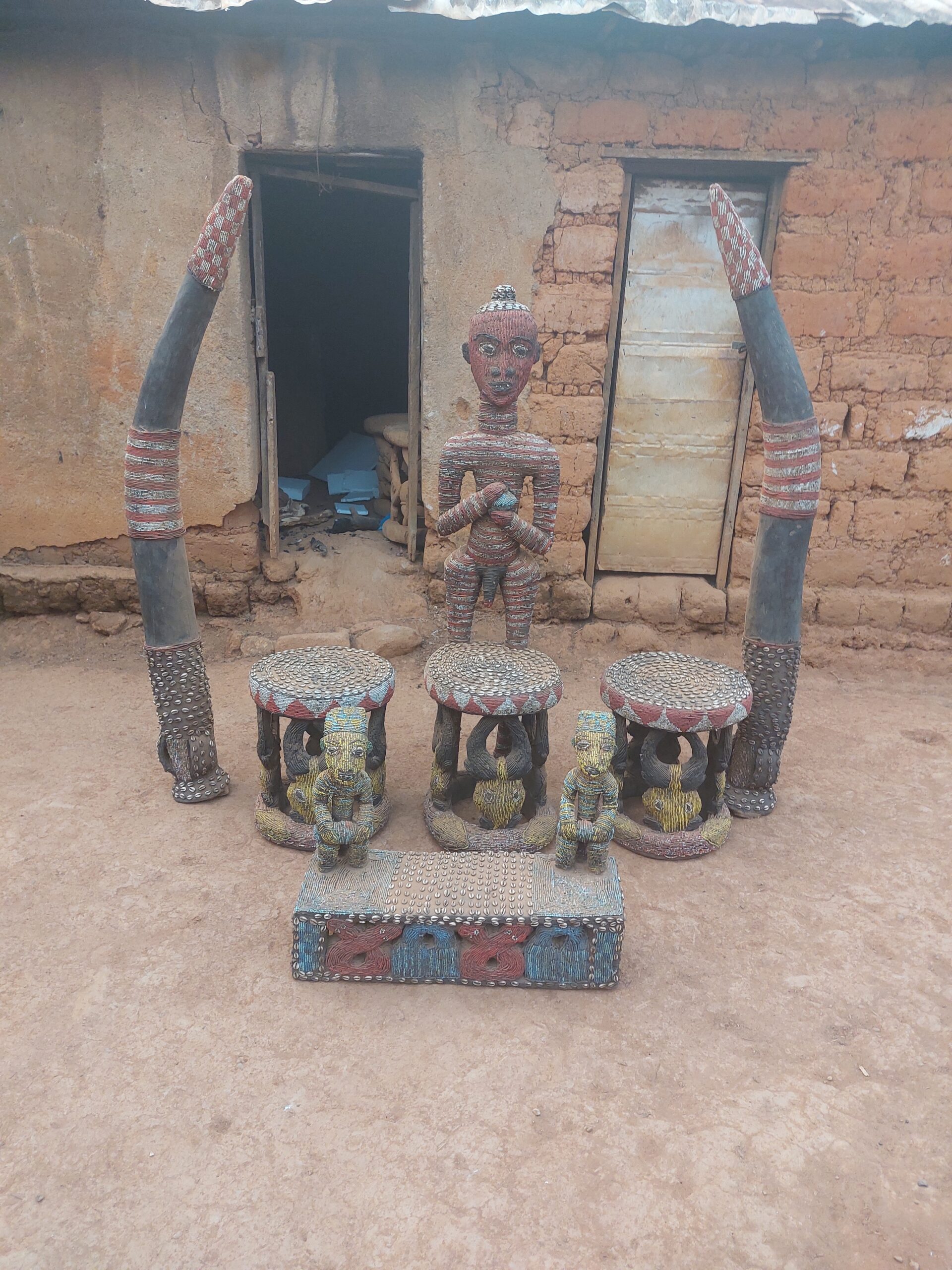
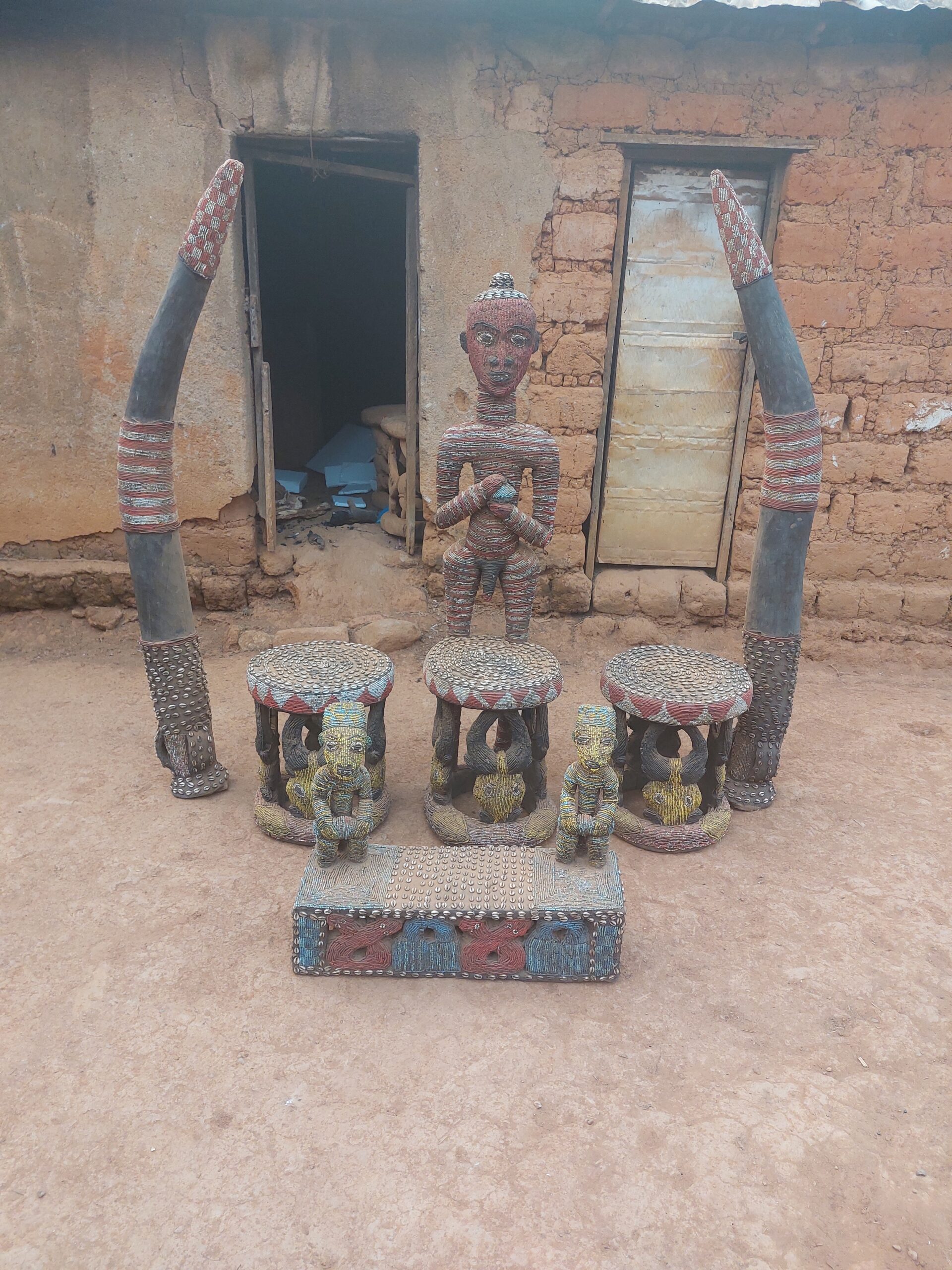
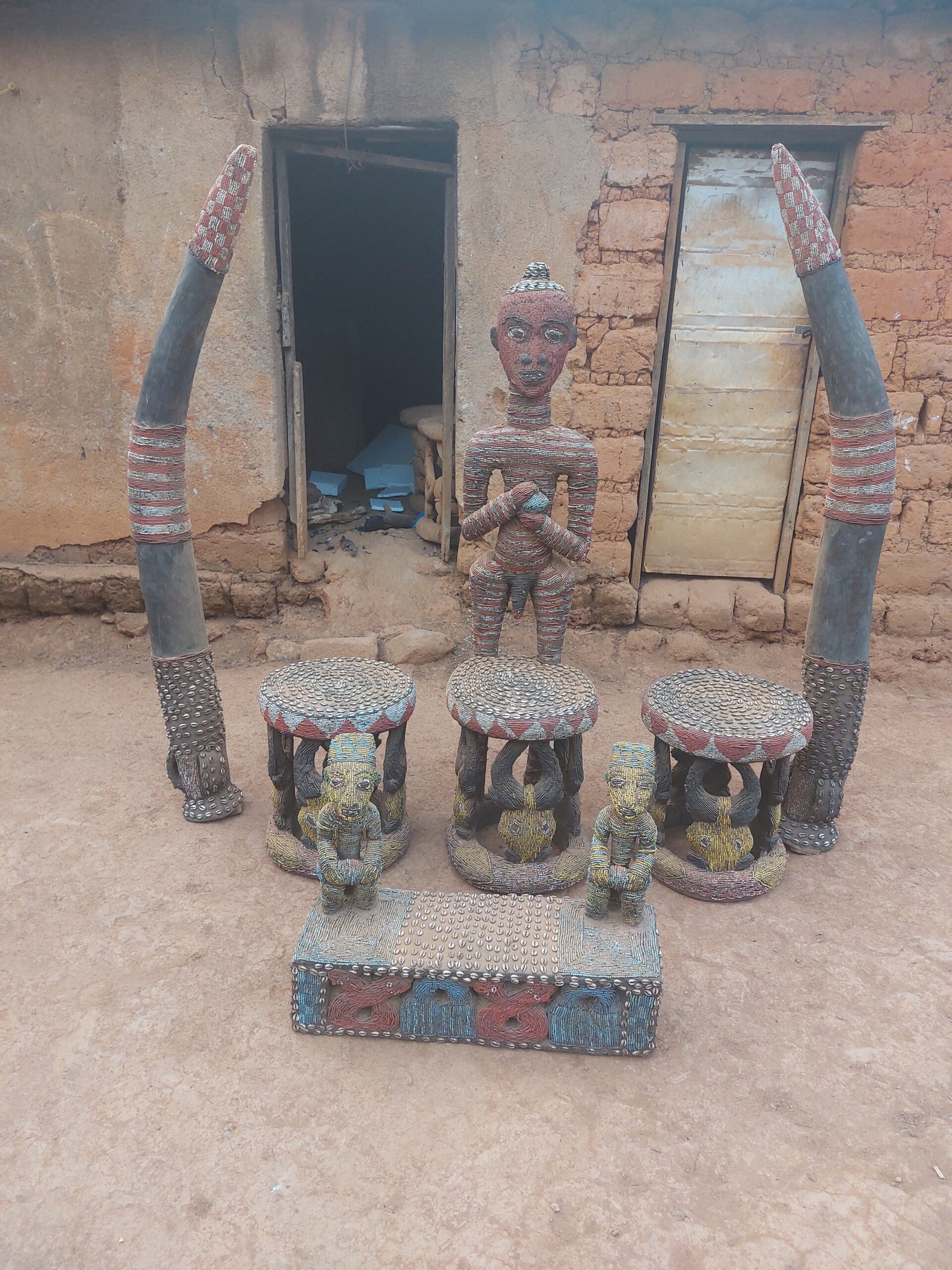
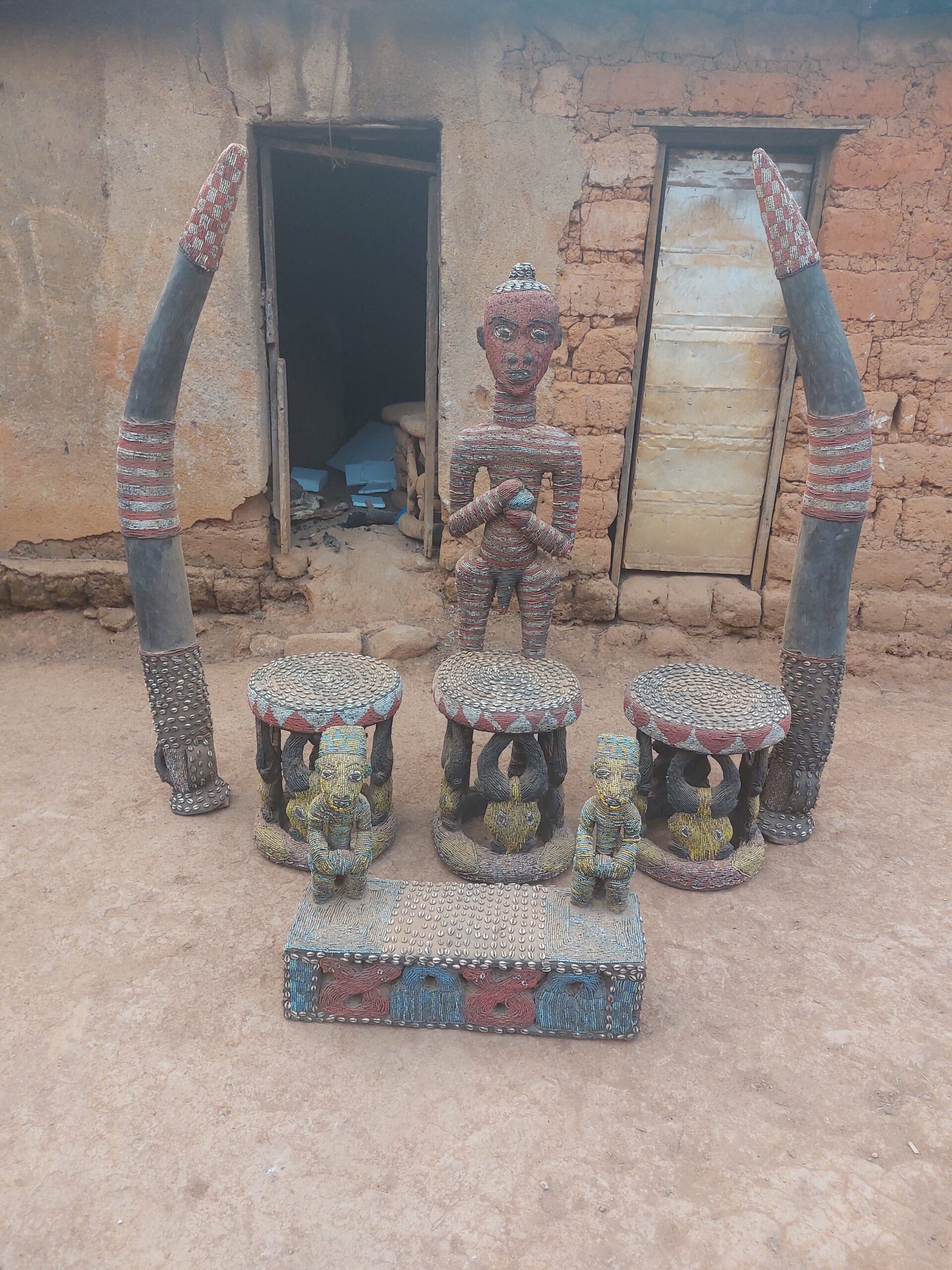
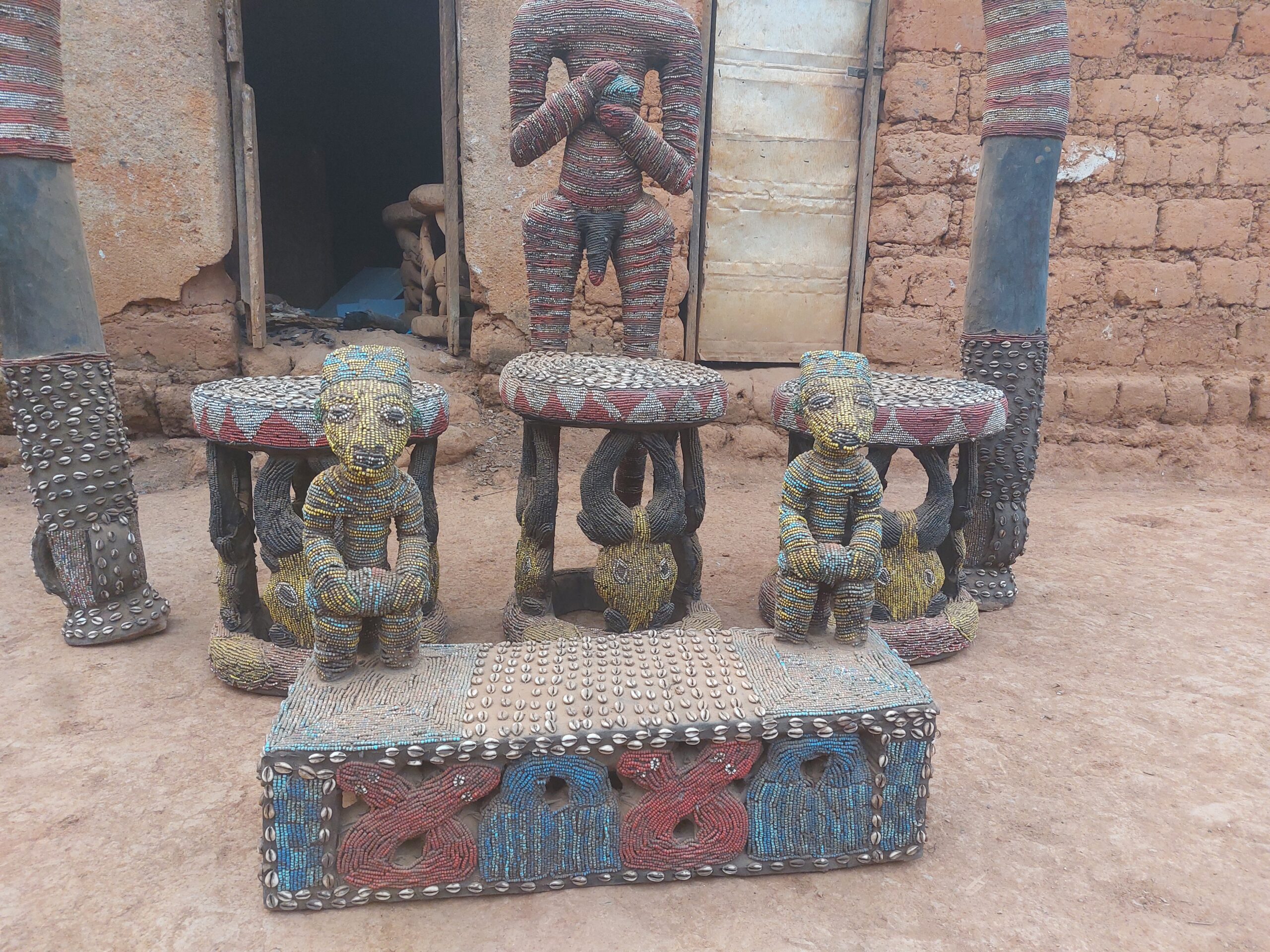
The Healing Chair - Since 1699
The Healing Chair is celebrated as a sacred seat of restoration and wellness, deeply rooted in the spiritual practices of the Bamoun people. Crafted using natural materials and often adorned with symbols of rejuvenation and balance, this chair is believed to hold the energies necessary for healing both body and spirit.
One notable legend speaks of a renowned healer named Amina, who was gifted in the art of natural medicine. During an epidemic that swept through the community, many fell ill, and despair clouded the hearts of those affected. The village turned to Amina for help, and she chose to invoke the restorative powers of the Healing Chair.
As she sat down in the chair, Amina felt an overwhelming wave of energy coursing through her. She communicated with the spirits of nature and received guidance on the herbs and remedies needed for healing. Armed with this knowledge, Amina prepared potions and remedies, administering them to the sick and offering hope to their families.
In a matter of days, the epidemic began to subside, and the community thrived once more. The story of Amina and the Healing Chair became a testament to the power of healing and the connection between the spiritual and physical realms. To this day, the Healing Chair remains a symbol of wellness and hope, reminding us of the importance of caring for both body and spirit.