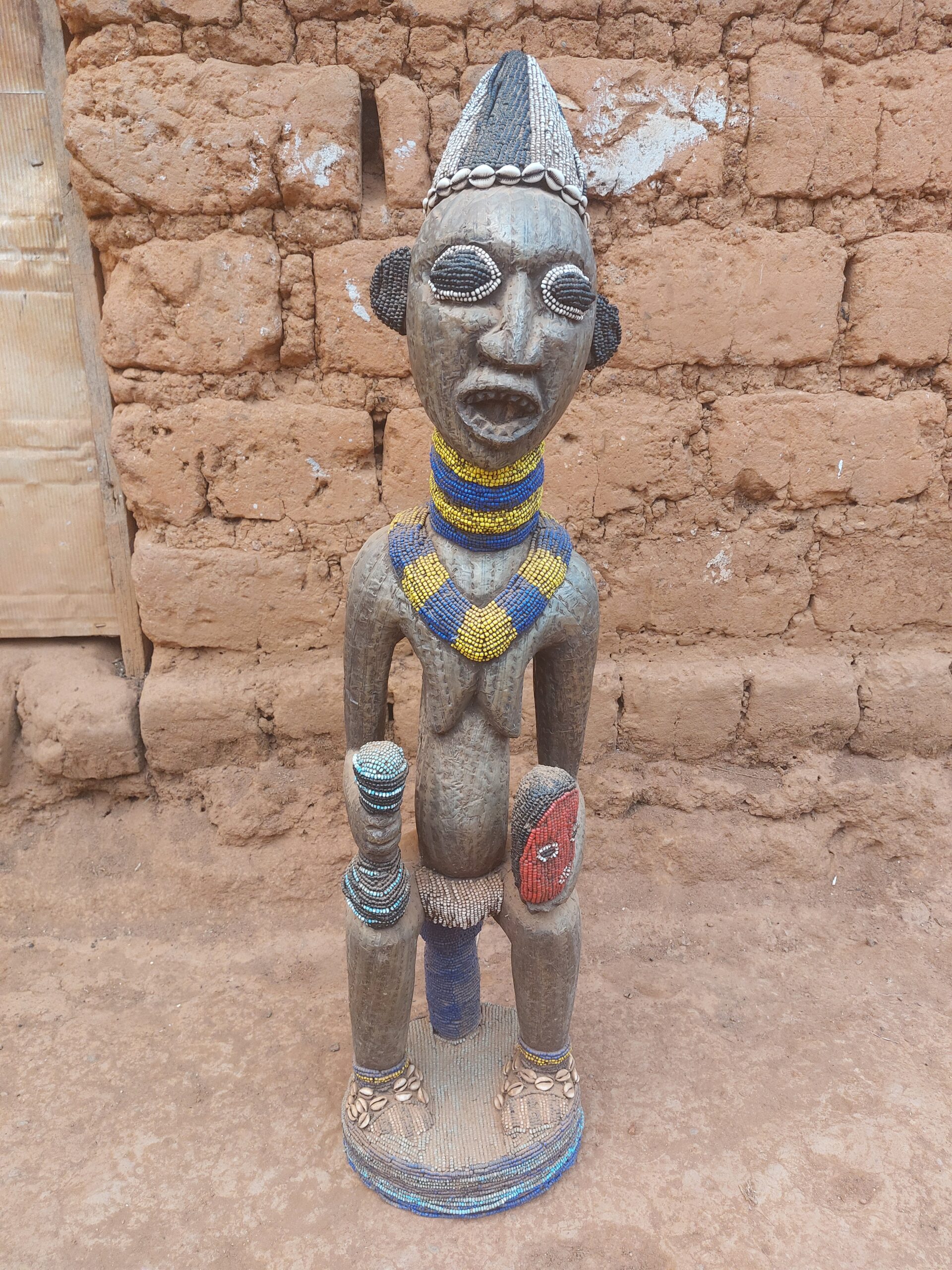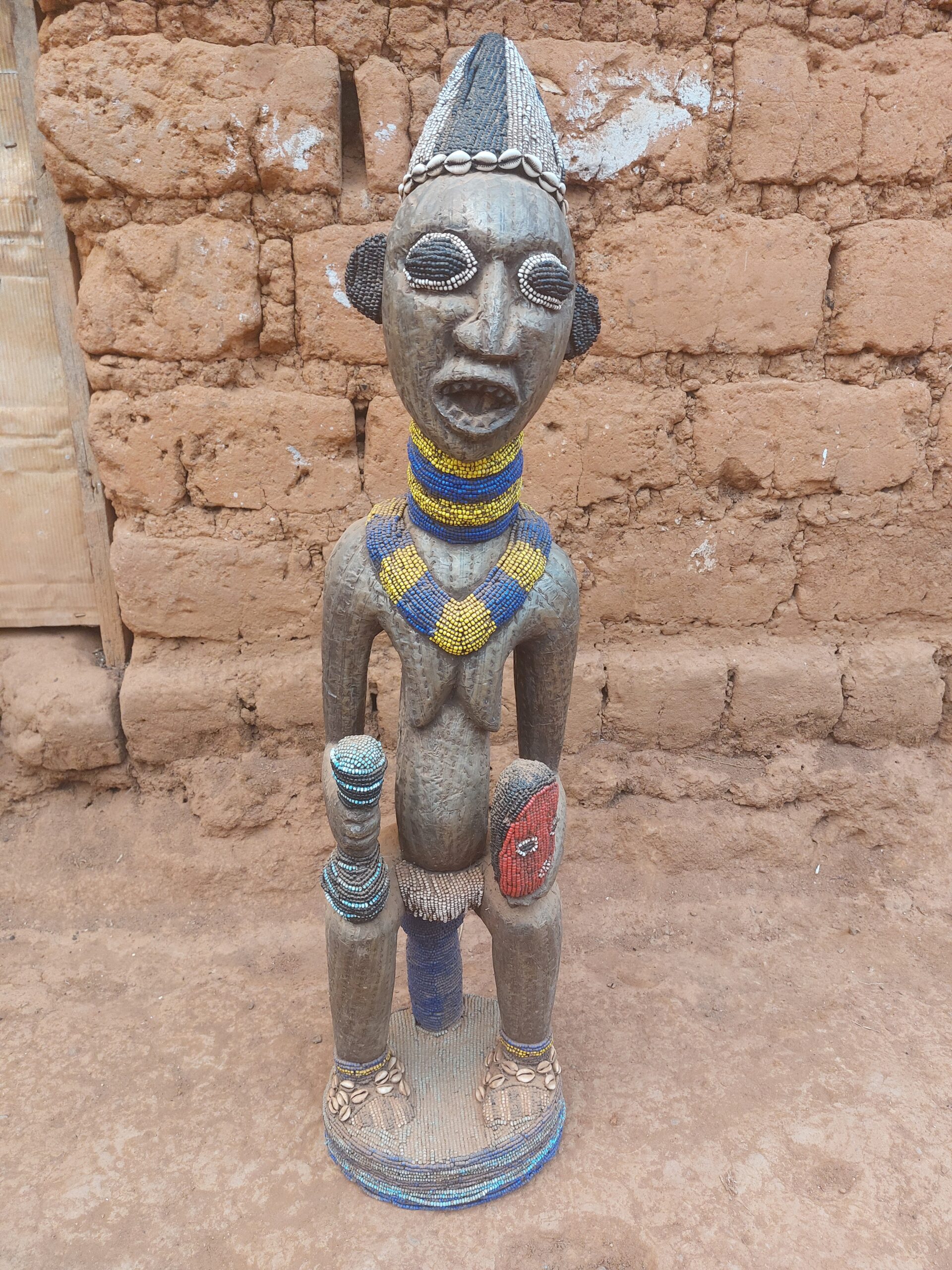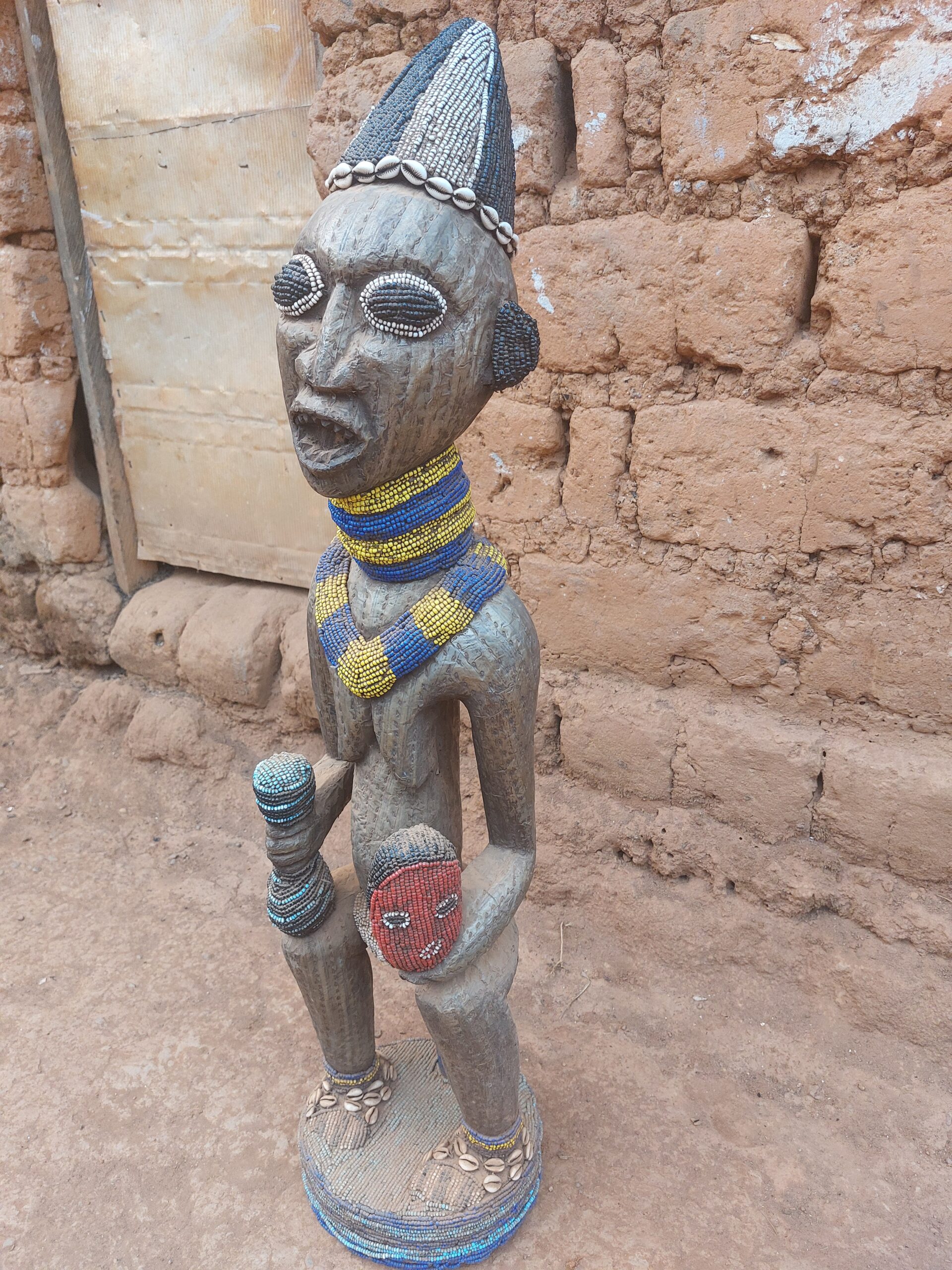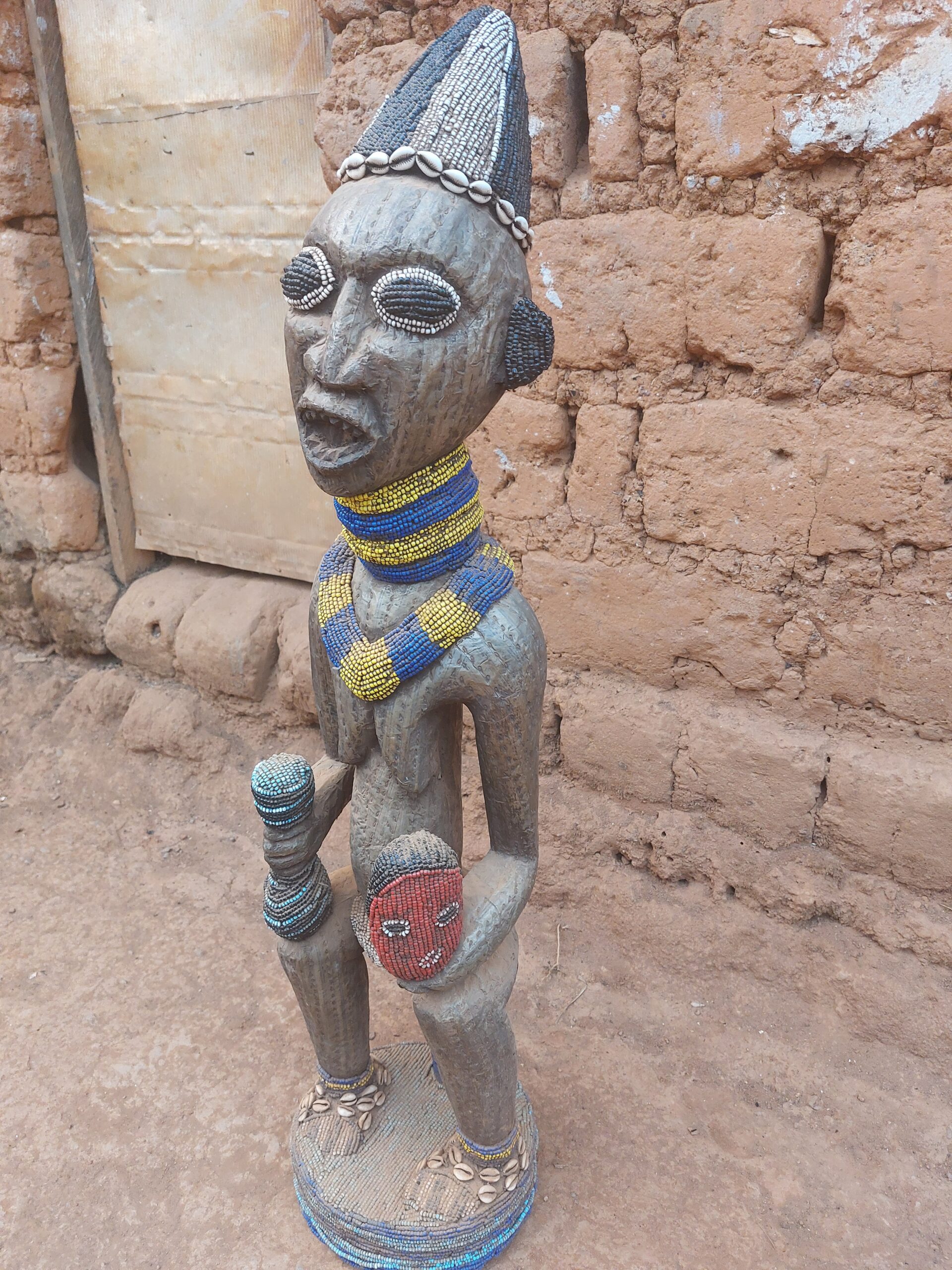
Gods Collection
Welcome to our Gods Collection, where you can explore and purchase our exquisite representation of the divine guardians of Bamoun heritage. Each piece is crafted with care, celebrating the rich cultural significance of these deities.
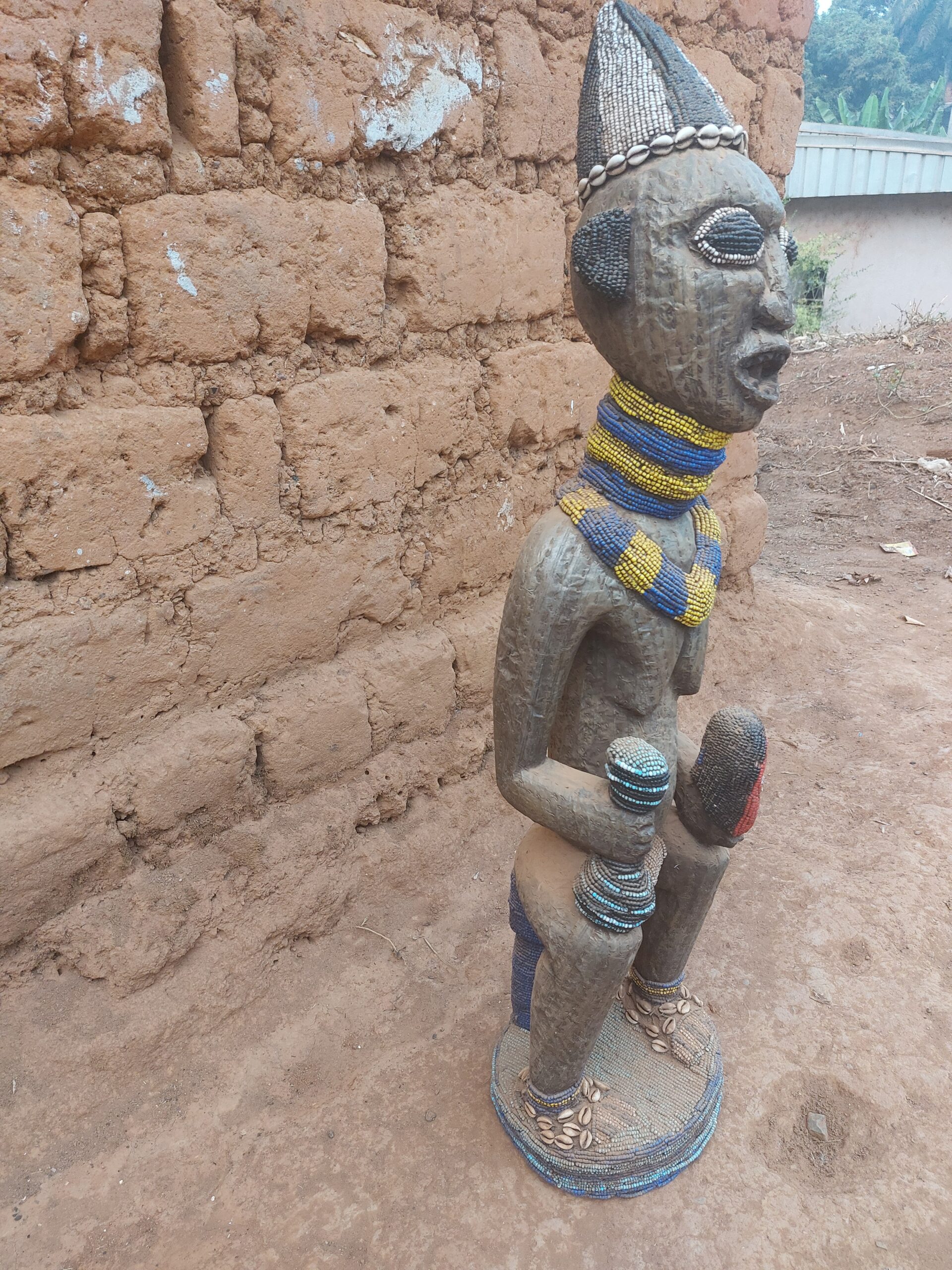
Zuzu Nduh (God of Love for Women) - Since 1716
Zuzu Nduh is revered as the gentle deity of love, embodying the essence of compassion and harmony. Traditionally depicted as a radiant figure adorned with vibrant flowers, he is seen as a protector of relationships, particularly for women seeking true love. His stories are woven into the fabric of Bamoun culture, where many believe he possesses the ability to mend broken hearts and inspire romantic connections.
One of the most famous legends tells of a young woman named Naya, who was heartbroken after her beloved was taken away by another. Desperate, she turned to Zuzu Nduh. In a dream, he appeared to her, surrounded by a soft glow, and whispered words of encouragement. He instructed her to gather petals from the rarest flowers and create a love potion, which she would then offer to her beloved under the light of the full moon.
Trusting in Zuzu Nduh’s guidance, Naya followed his instructions. When she presented the potion, her beloved was overwhelmed by a renewed affection for her, and they were united once more. This tale spread throughout the land, establishing Zuzu Nduh as the ultimate source of love and a protector of women’s desires. To this day, many women invoke his name during rituals to attract love and deepen emotional bonds.
Baoun Nduh (God of Life) - SInce 1686
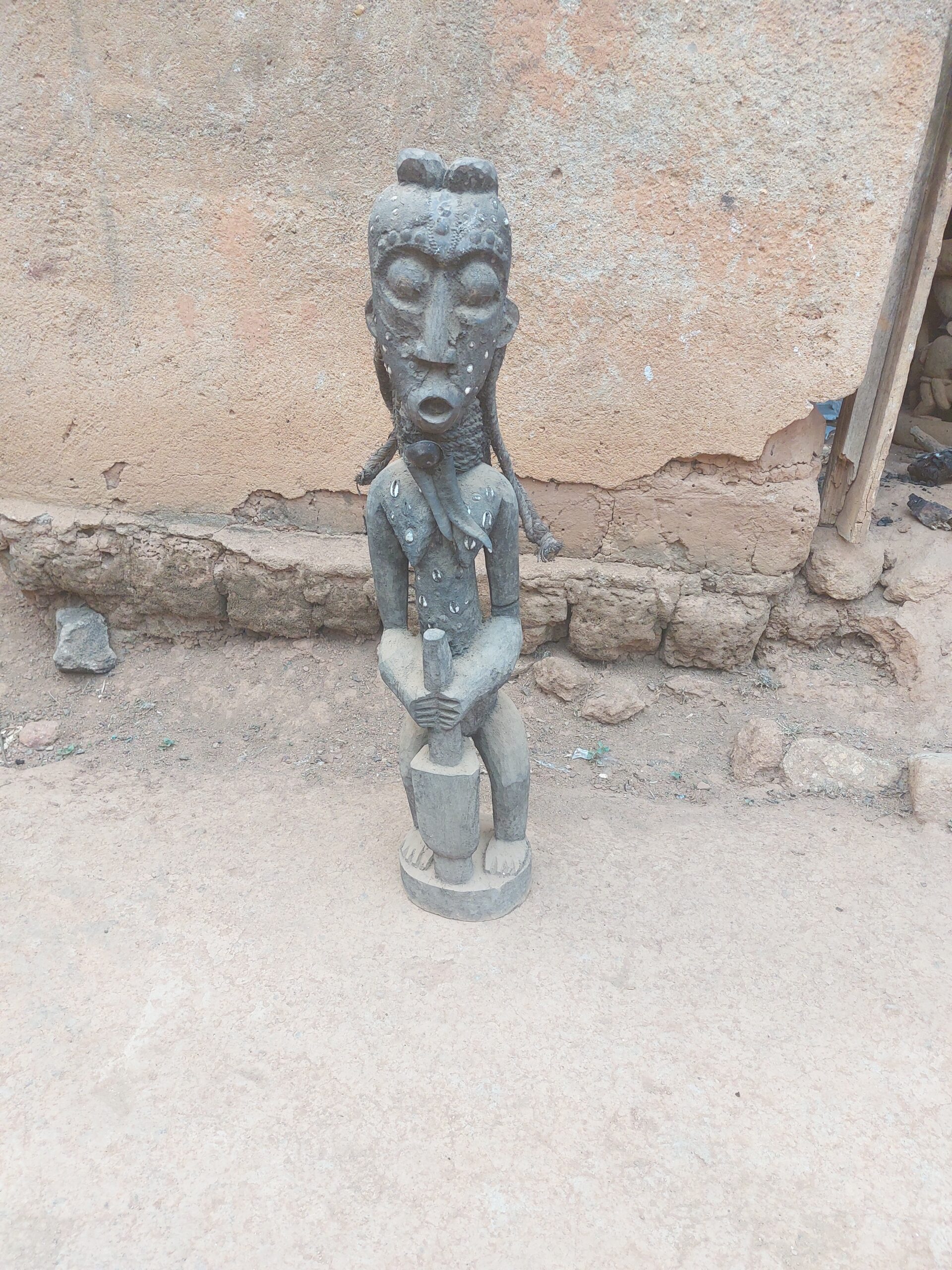
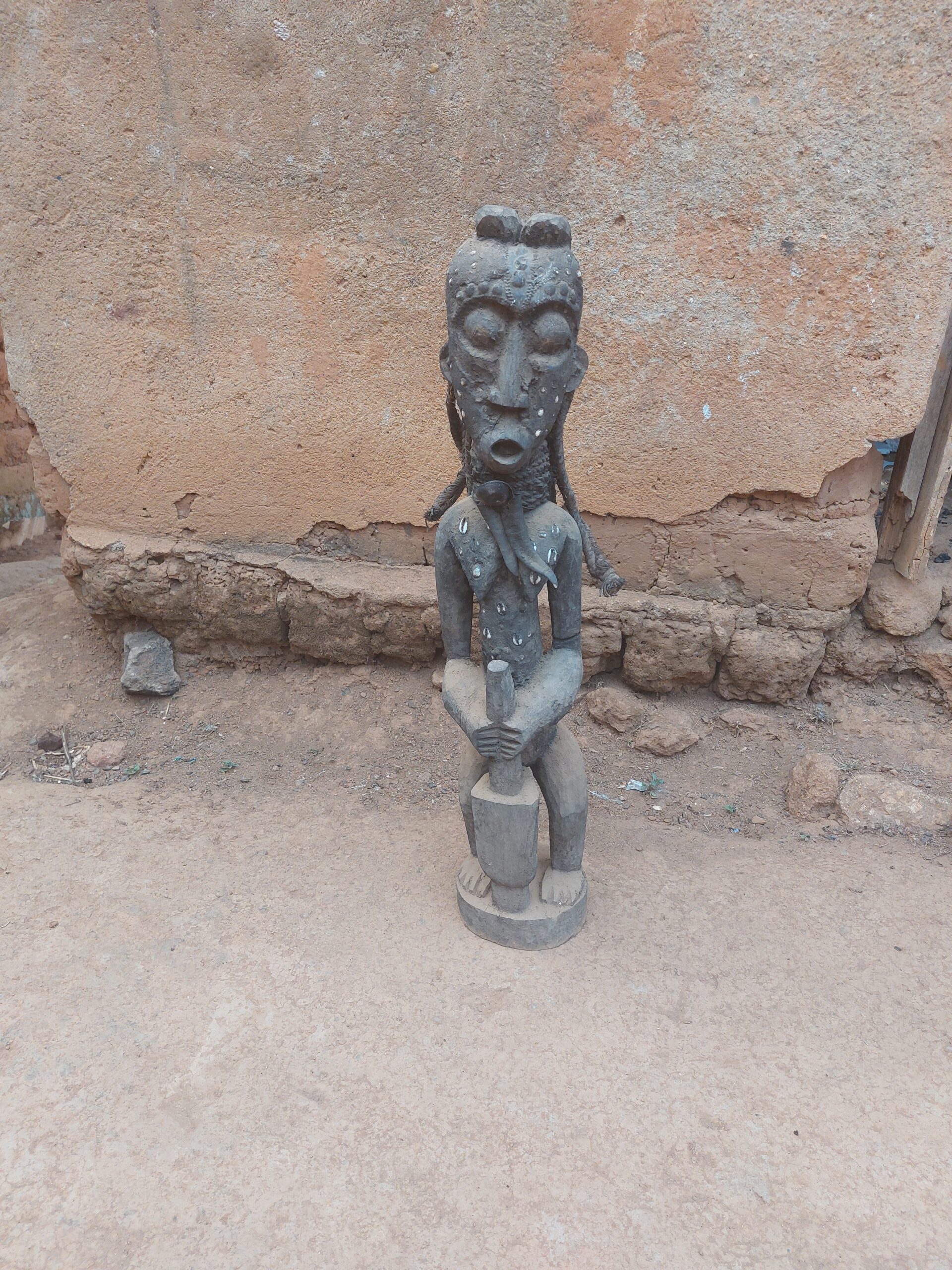
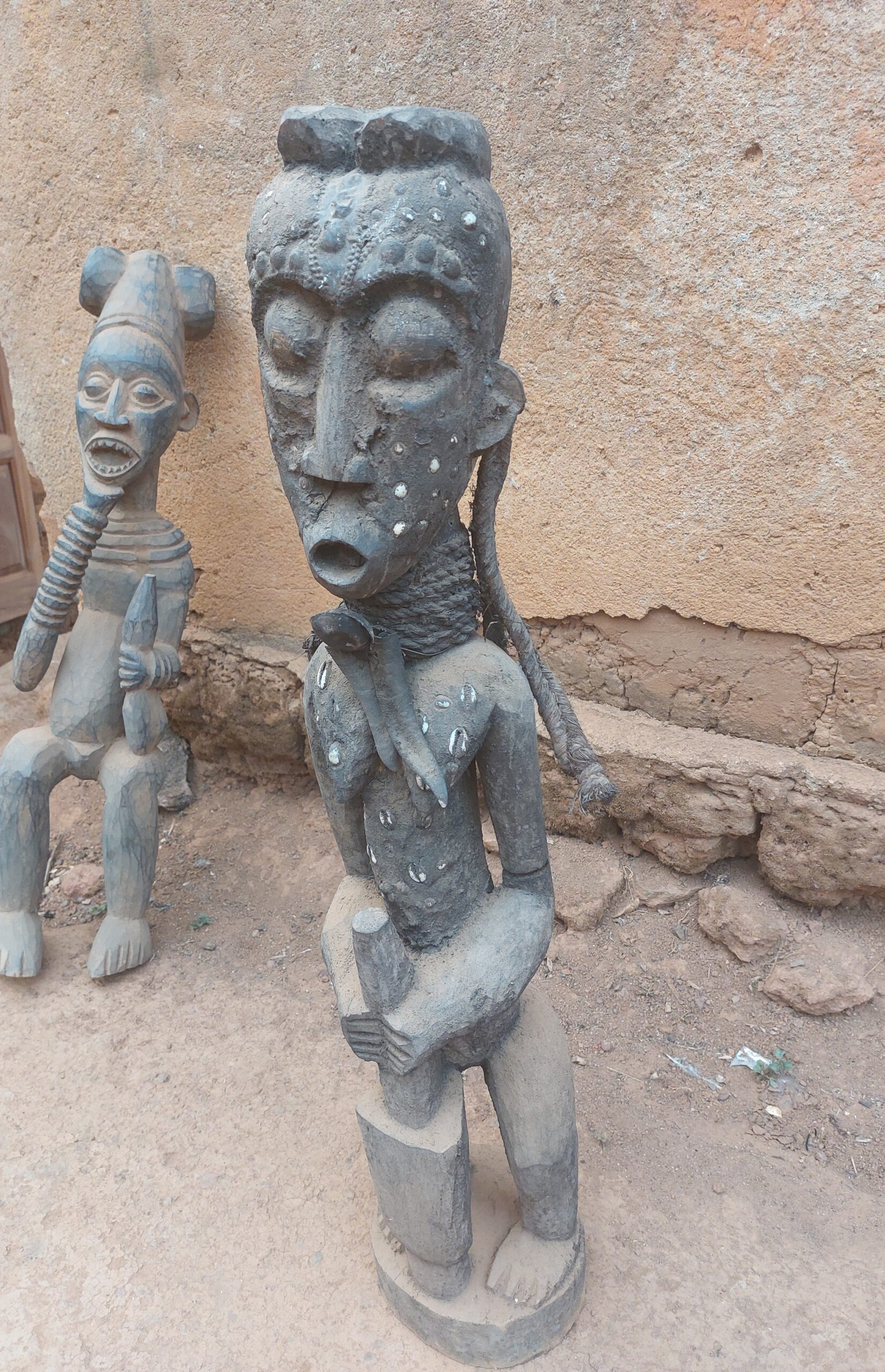
Baoun Nduh is the embodiment of life itself, revered as the god who breathes vitality into all living beings. Often depicted with an aura of green and gold, symbolizing abundance and growth, he is celebrated for his nurturing spirit and protective nature. His influence extends beyond human life; he is also seen as a guardian of nature, ensuring the balance of ecosystems.
A powerful story recounts the time when a great drought plagued the Bamoun lands. Crops withered, and the people were on the brink of despair. In their desperation, they gathered to pray to Baoun Nduh, offering him their most cherished possessions. Moved by their devotion, he appeared to them in a radiant form, bringing with him dark clouds and the scent of rain.
With a thunderous roar, Baoun Nduh commanded the skies, and rain poured down, revitalizing the land. Crops flourished, and life returned to the villages. The people celebrated with songs and dances, honoring Baoun Nduh for his miraculous intervention. This event solidified his status as the god of life, and to this day, farmers invoke his blessings before planting their seeds.
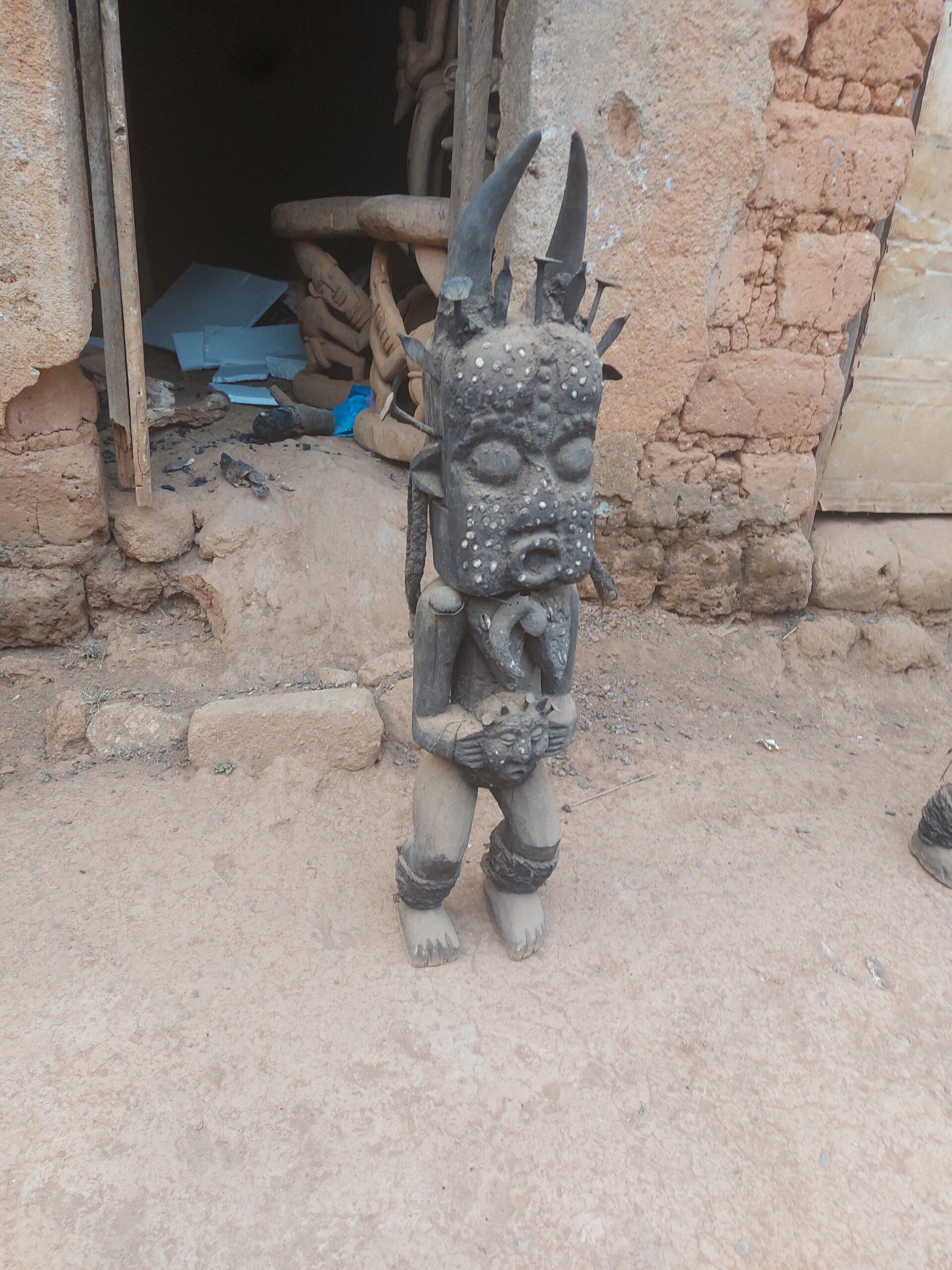
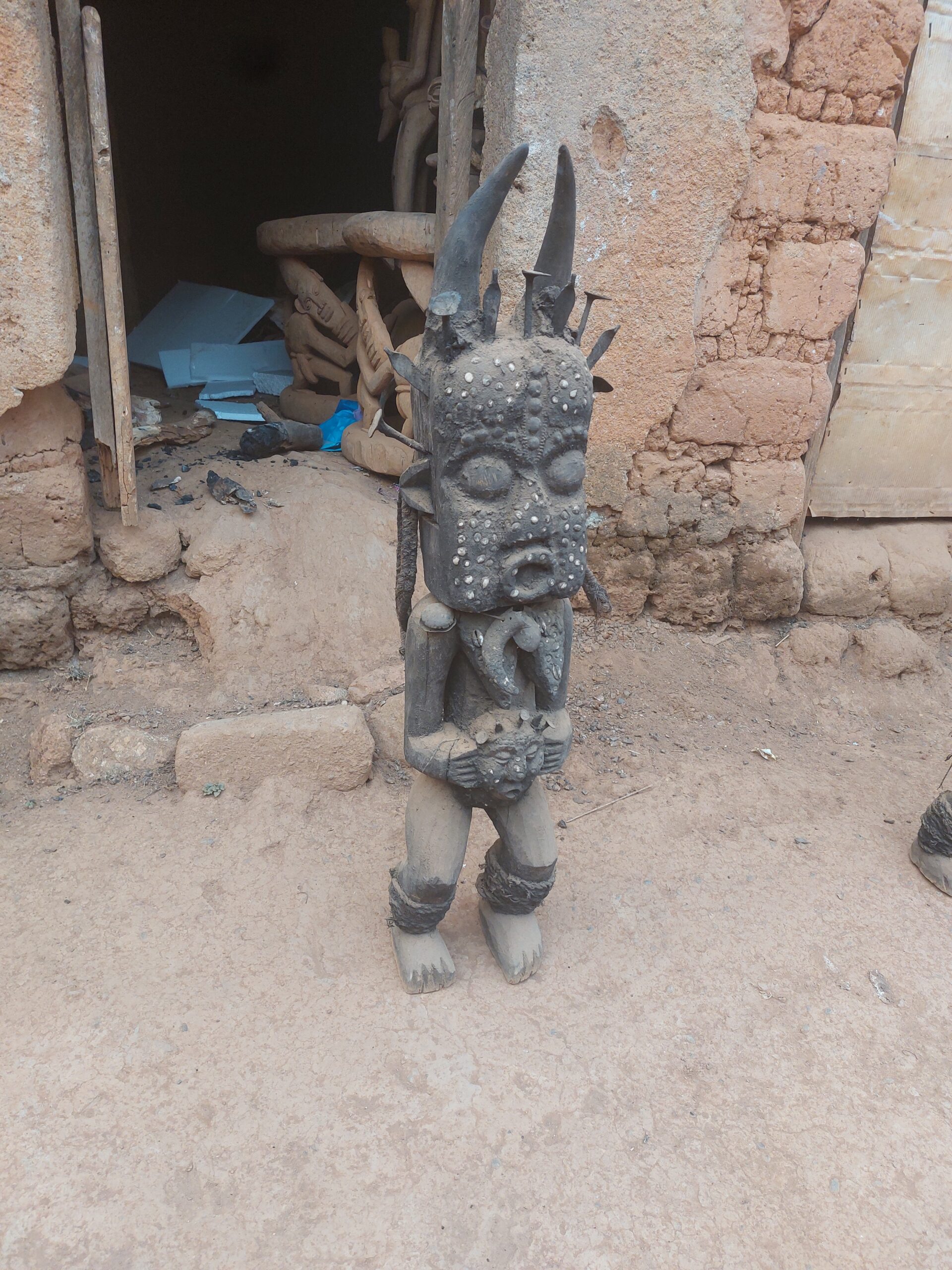
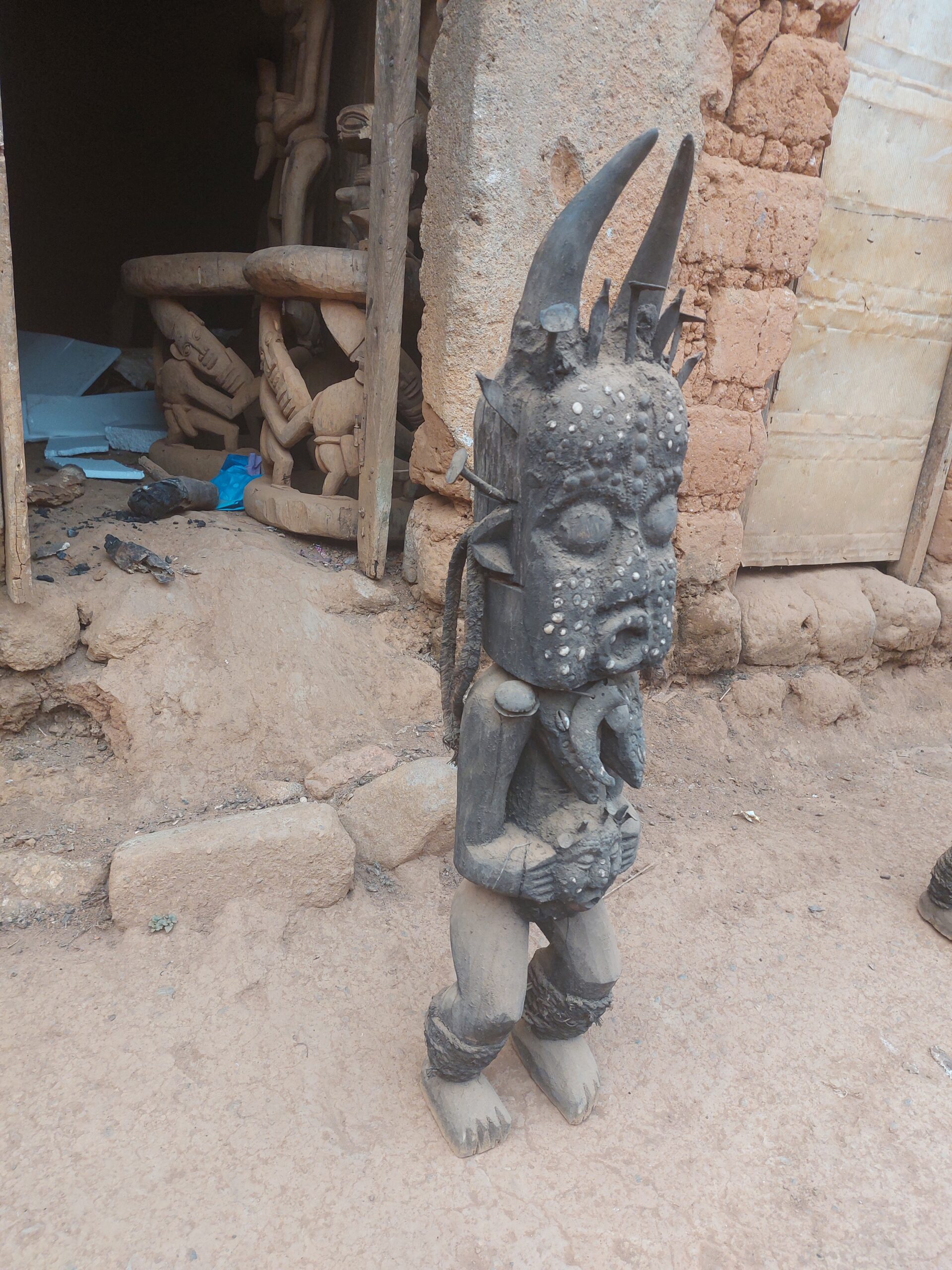
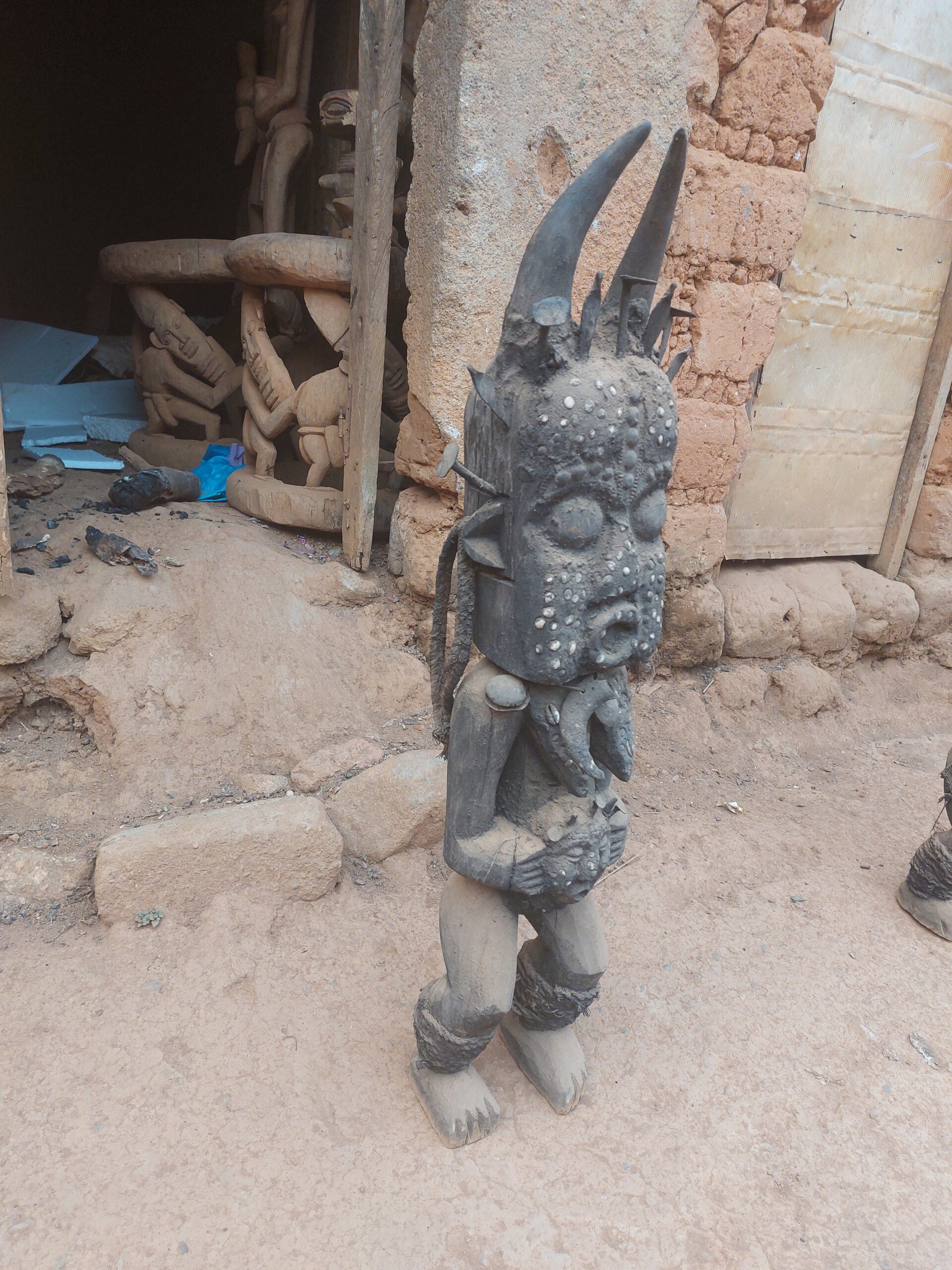
Hozza Mbah (God of Fertility) - Since 1812
Hozza Mbah, the god of fertility, is widely revered by those seeking blessings for childbirth and agricultural prosperity. Portrayed with symbols of ripening grains and flourishing flora, he embodies growth and abundance. His tales are filled with miracles that highlight his nurturing power and the joy he brings to families.
One poignant story involves a couple named Teh and Luma, who longed for a child but faced years of disappointment. After exhausting all options, they decided to visit the sacred grove dedicated to Hozza Mbah. There, they offered fruits and grains, praying fervently for his blessings.
Moved by their sincerity, Hozza Mbah appeared as a gentle breeze, whispering encouragement into their hearts. He instructed them to plant a special seed in their garden, promising that it would bear fruit in due time. Following his guidance, Teh and Luma nurtured the seed, and to their astonishment, it grew into a magnificent tree laden with vibrant fruits.
A year later, Luma became pregnant, and the couple welcomed a healthy child into their lives. Grateful for Hozza Mbah’s blessings, they hosted a grand celebration, inviting the entire village to join in their joy. This story continues to inspire couples seeking fertility, and many visit the grove to seek Hozza Mbah’s favor.
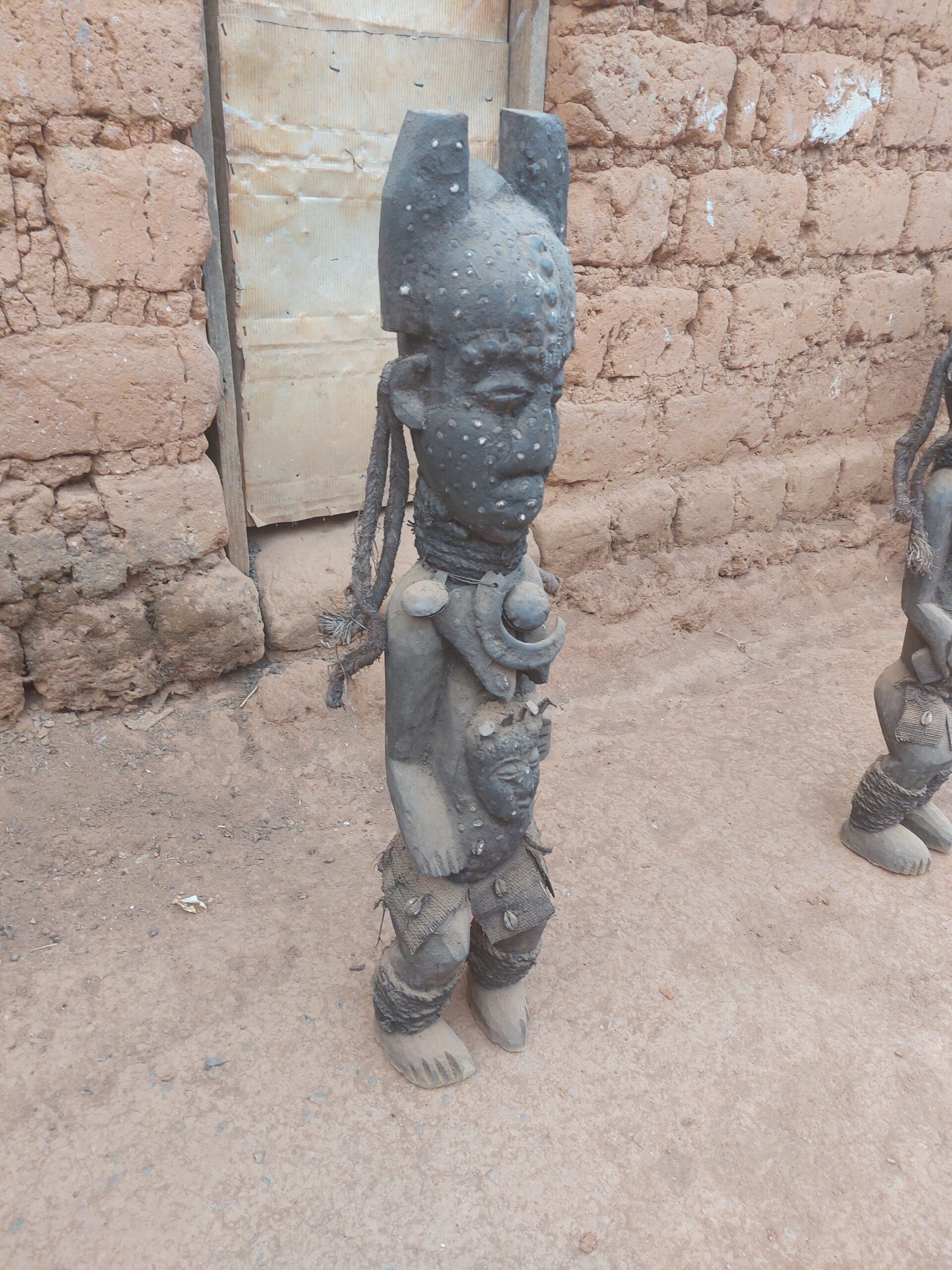
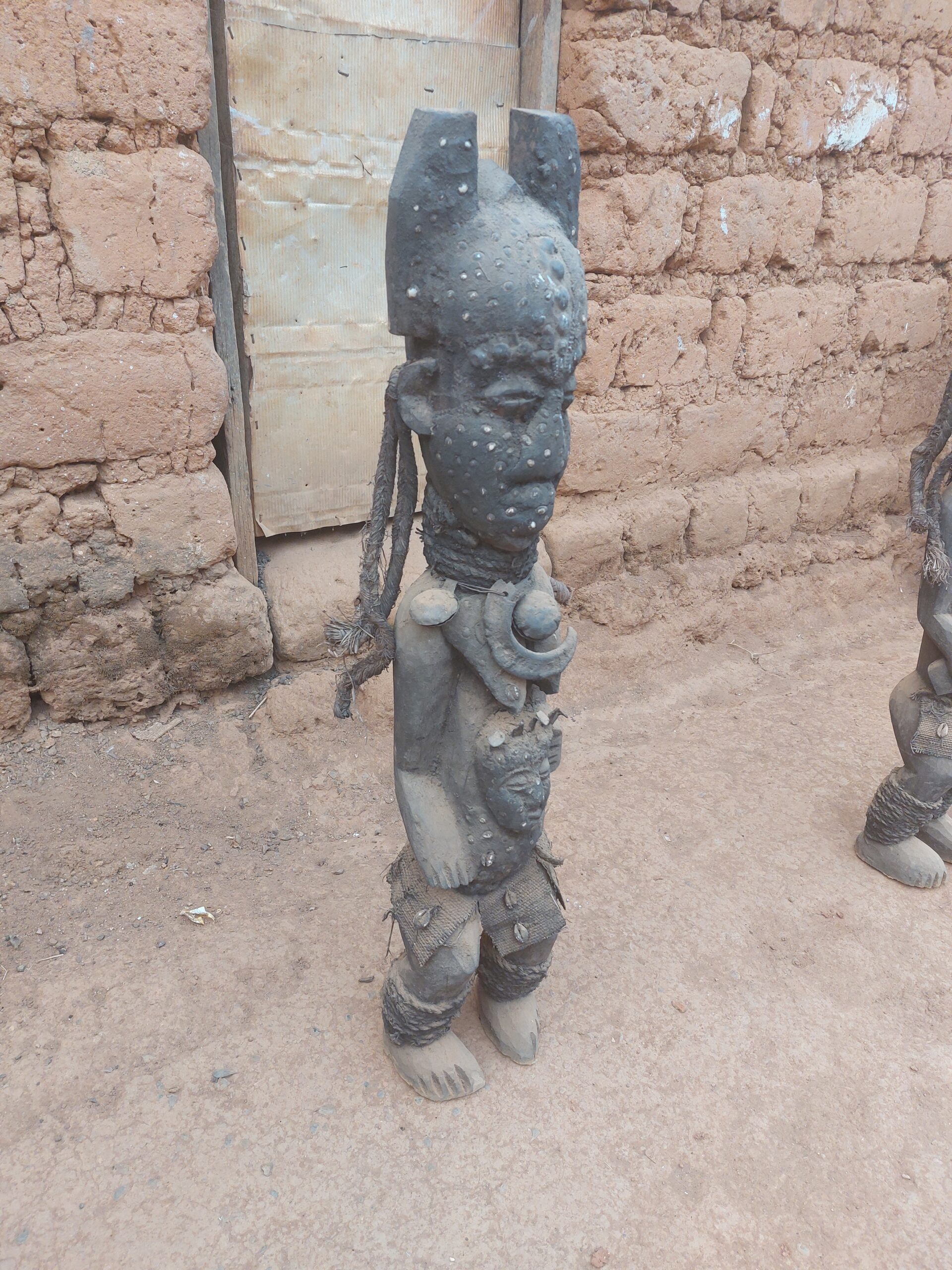
Manchu Za (God of Protection of Children) - SInce 1882
Manchu Za is the steadfast guardian of children, embodying love and protection. Often depicted with a gentle smile and a watchful eye, he is believed to shield the youth from harm and instill them with strength. His presence is felt in every household, where parents offer prayers for their children’s safety and wellbeing.
A well-known tale recounts an incident where a fierce storm threatened a village, causing panic among the families. As the winds howled and the rain lashed down, the parents turned to Manchu Za, pleading for his protection. In response, he appeared as a brilliant light, calming the storm with his soothing presence.
With a wave of his hand, he created a barrier around the village, shielding it from the worst of the tempest. The children slept peacefully, untouched by fear, while the adults marveled at Manchu Za’s power. Once the storm passed, the villagers expressed their gratitude with offerings and songs, celebrating the god who kept their children safe.
Today, parents often place artifacts honoring Manchu Za in nurseries and play areas, believing that his spirit watches over their children, ensuring their happiness and protection.
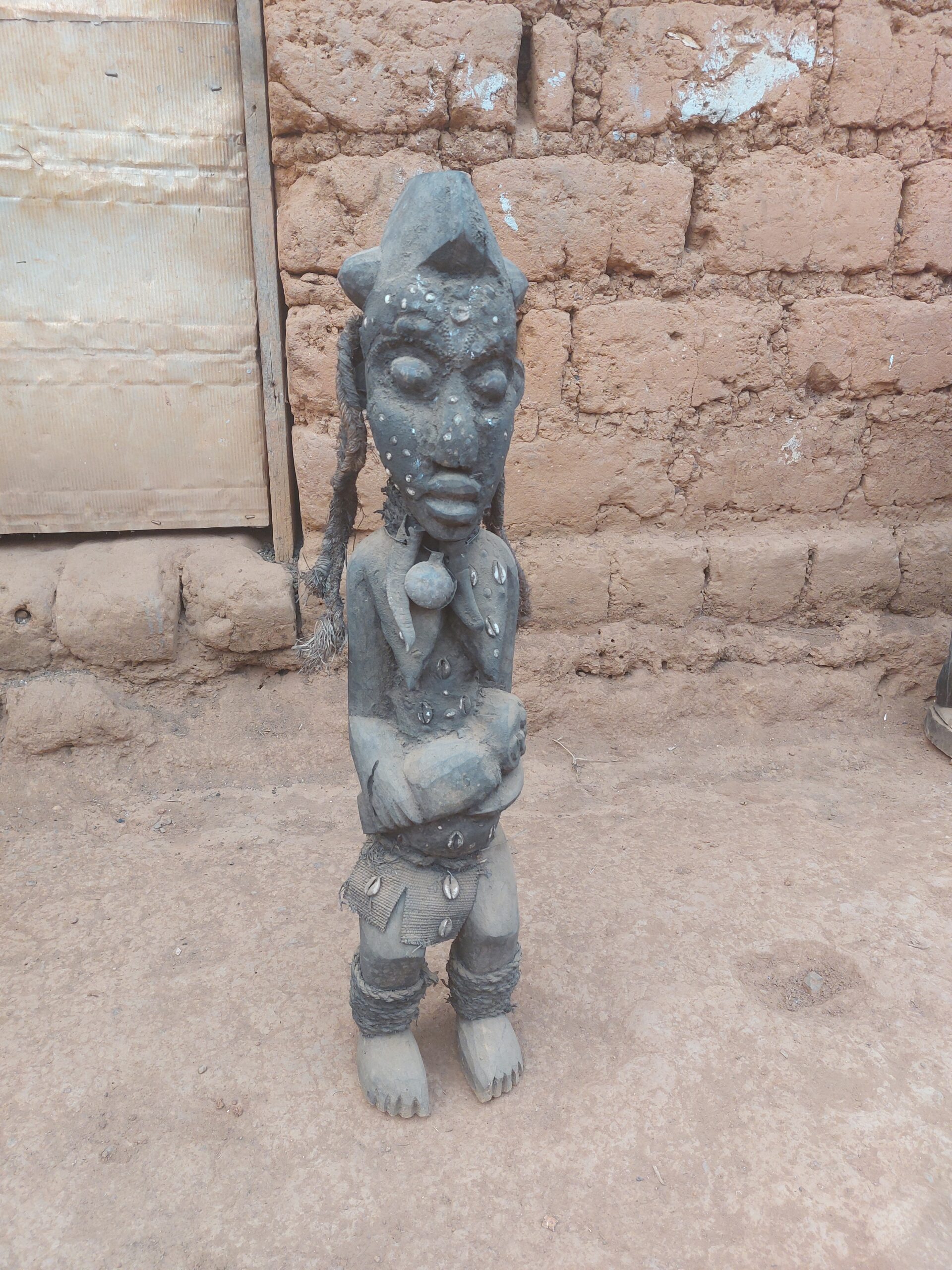
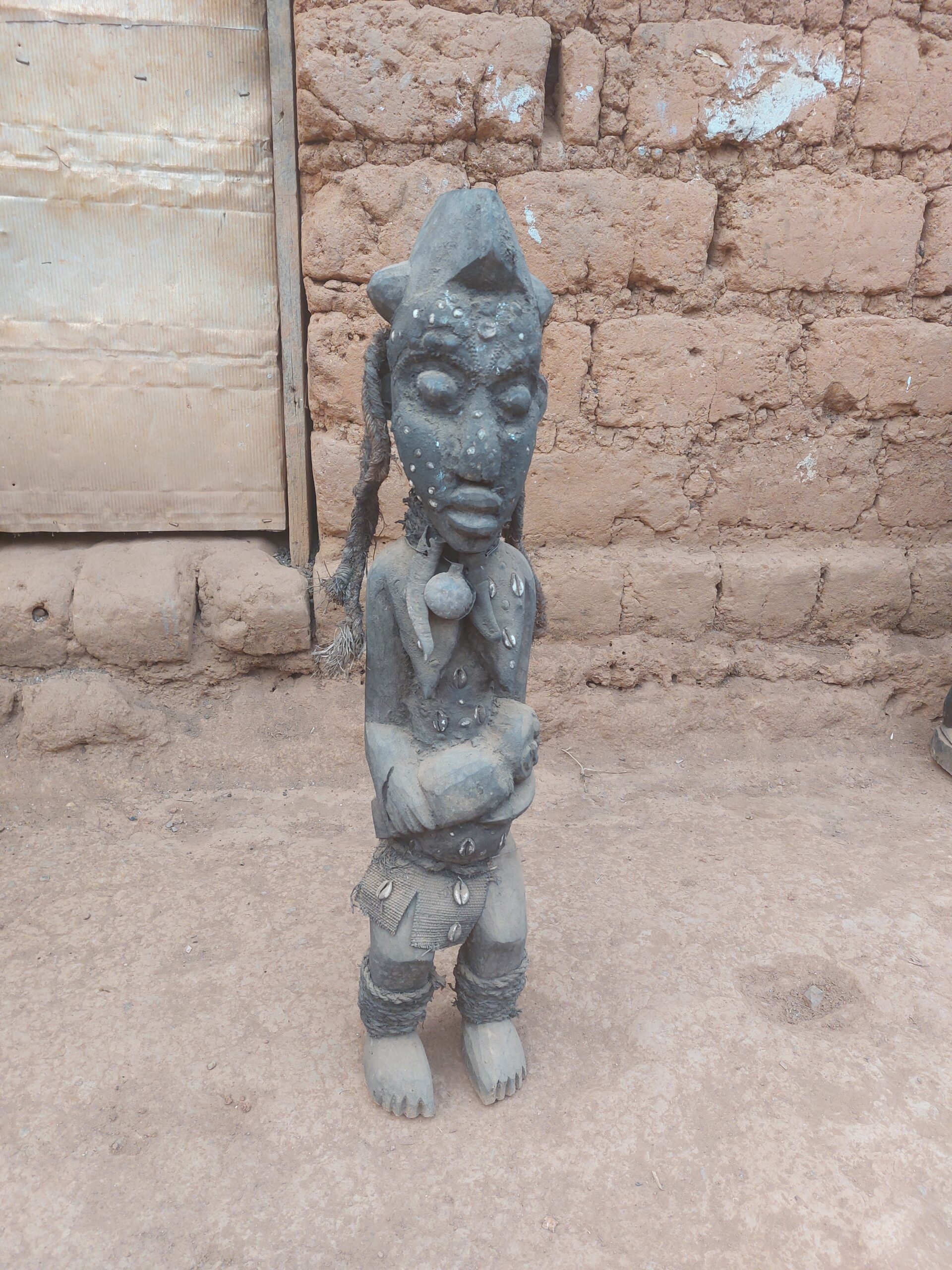
Mozo Zah (God of Wealth) - Since 1745
Mozo Zah is revered as the god of wealth and prosperity, embodying the spirit of abundance. He is often depicted adorned with gold and precious gems, symbolizing the riches he bestows upon his followers. His stories are filled with tales of transformation and fortune, inspiring many to seek his favor.
One famous story tells of a struggling merchant named Kofi, who prayed to Mozo Zah for guidance. After weeks of devotion, he found himself on a journey to a distant land. Along the way, he discovered a hidden cave filled with gems and gold, untouched by time. Recognizing this as Mozo Zah’s gift, he collected a portion to share with his community.
Upon returning, Kofi used his newfound wealth to support local artisans and improve the village’s infrastructure. The community flourished, and Kofi became a respected leader. He attributed his success to Mozo Zah, hosting annual festivals in the god’s honor, where people share their fortunes and celebrate the blessings of abundance.
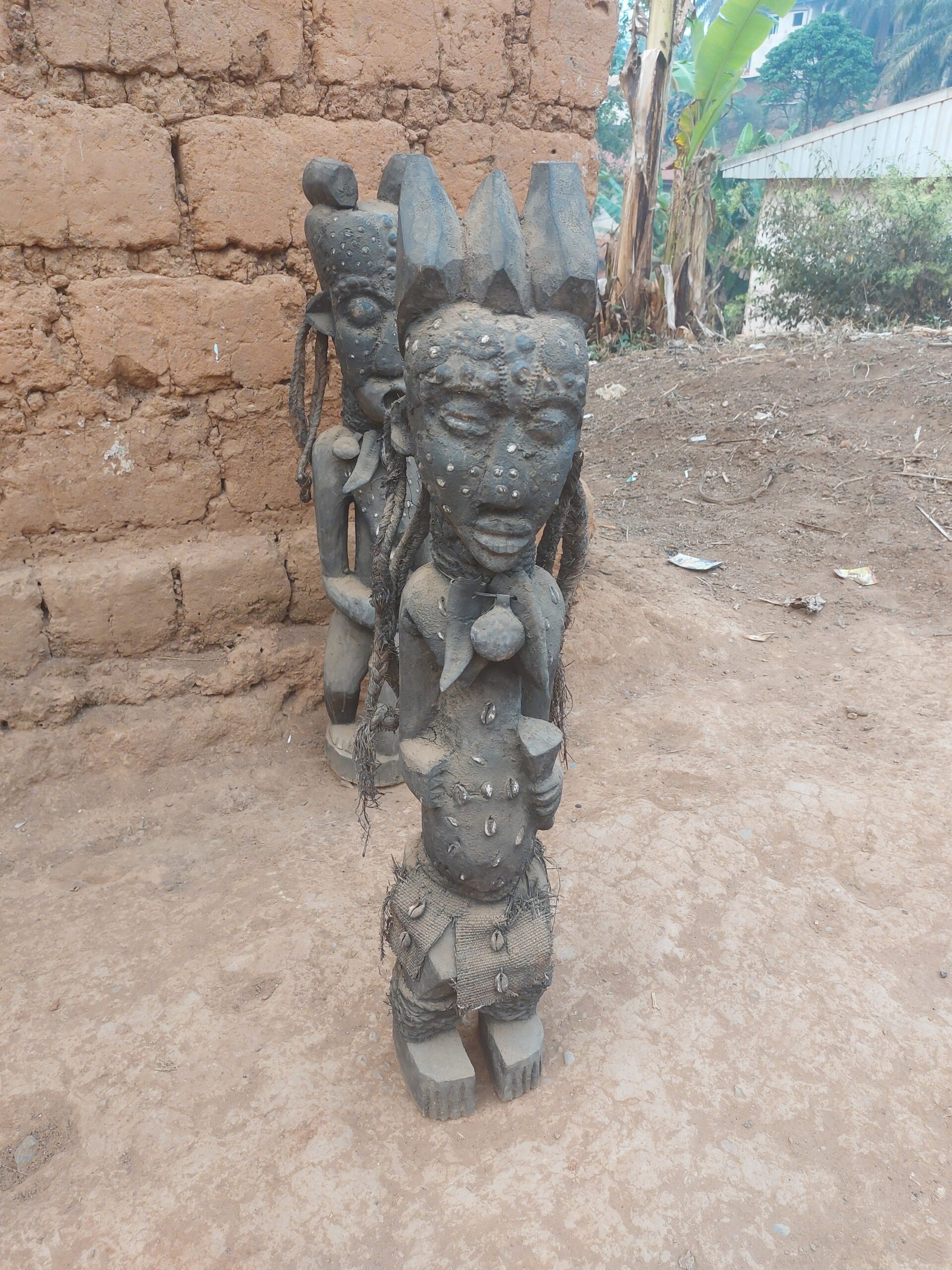
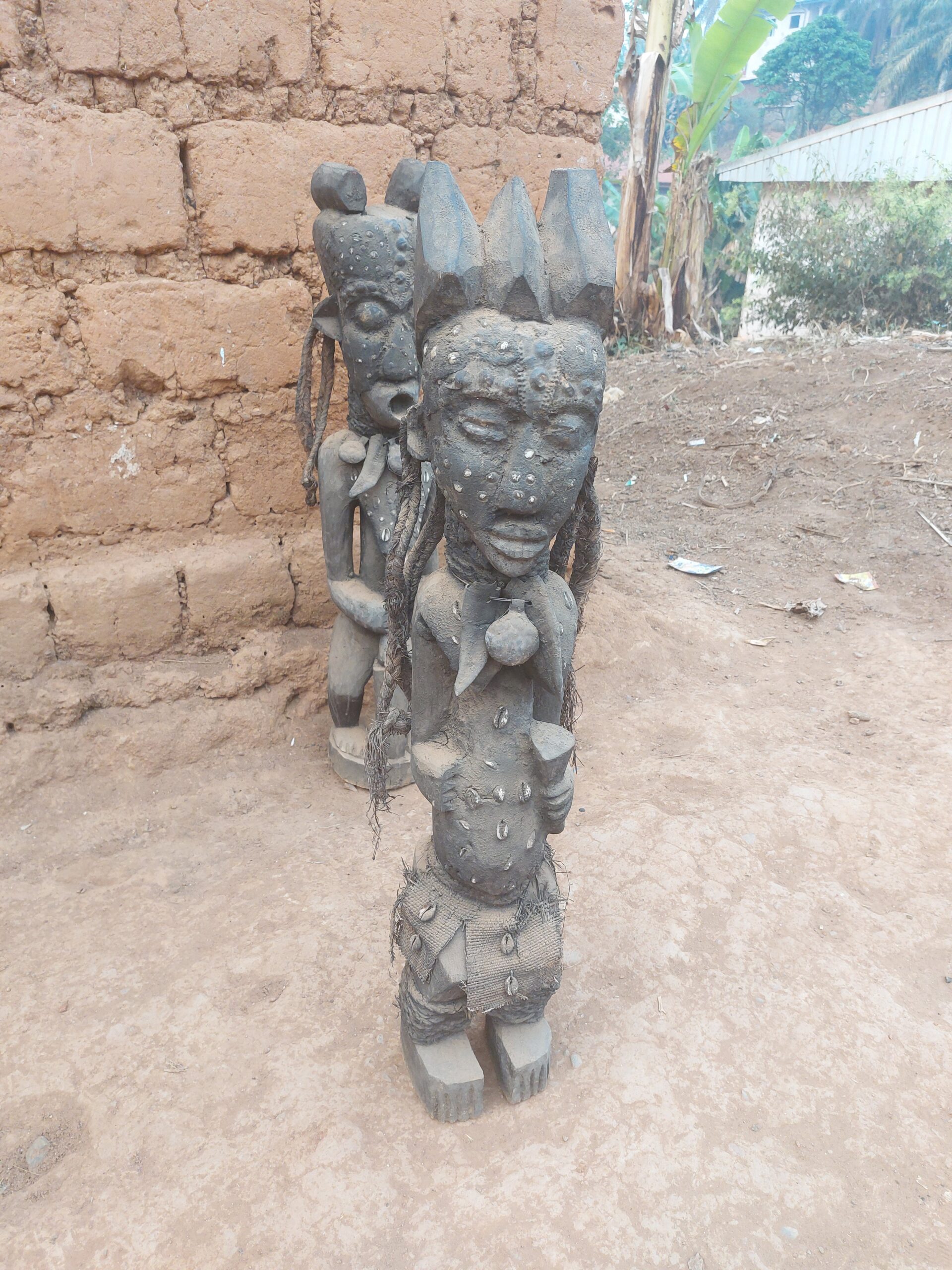
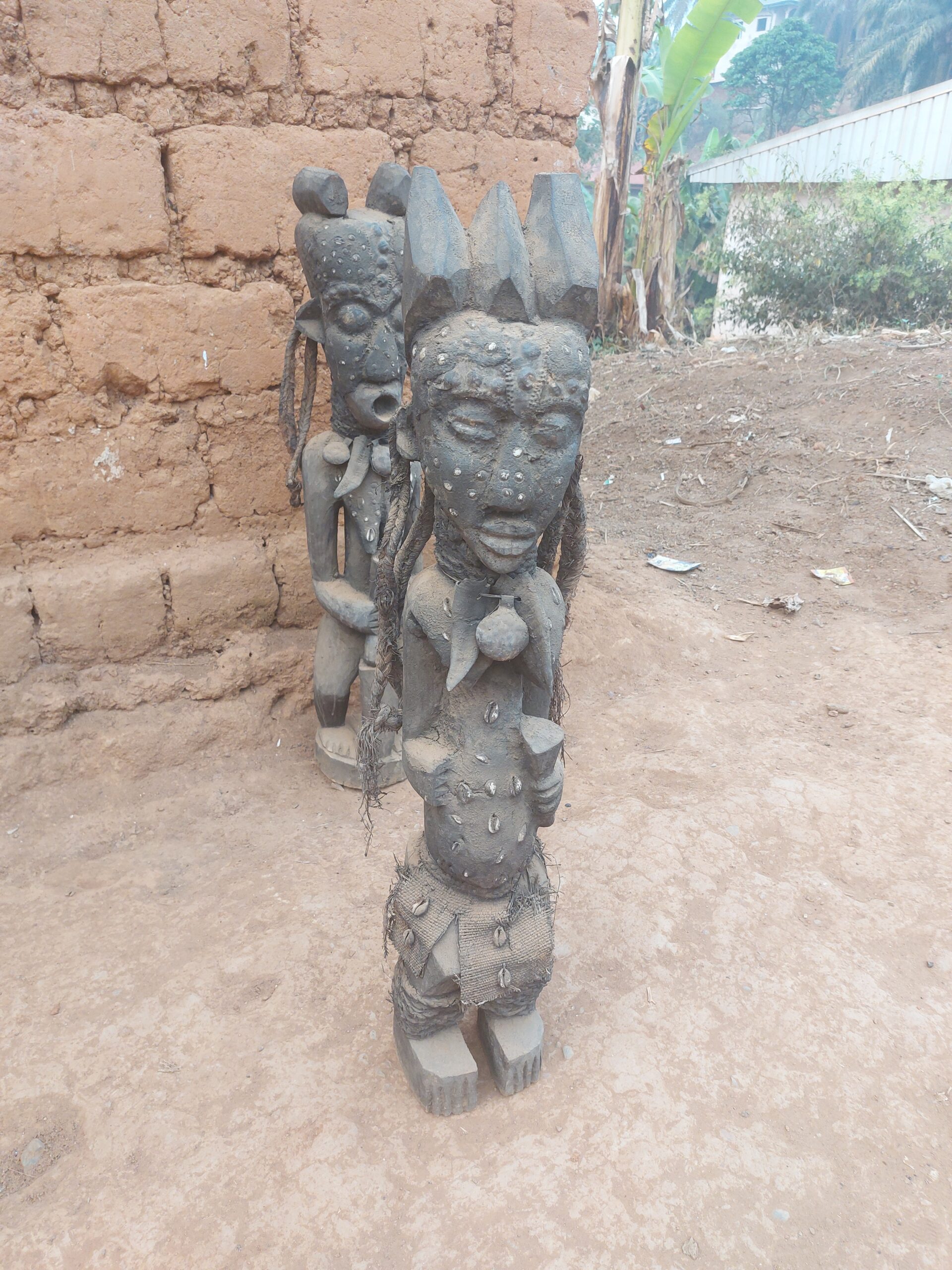
Shuh Shuh Nchoh (God of Protection) - SInce 1676
Shuh Shuh Nchoh, the revered god of protection, is a figure of strength and resilience. His influence is evident in the rituals performed by warriors and community leaders seeking his guidance before embarking on challenging endeavors. The stories that surround him are filled with themes of bravery and defense.
A notable account in Bamoun history recounts a time of conflict when neighboring tribes threatened the peace of a village. The villagers, frightened and unprepared, turned to Shuh Shuh Nchoh for protection. They gathered together for a communal prayer, invoking the god’s strength and guidance.
During the following battle, the warriors felt an overwhelming sense of courage wash over them as they fought under Shuh Shuh Nchoh’s banner. With his divine protection, they achieved a decisive victory, driving back the attackers. The village celebrated their triumph with a grand feast, honoring Shuh Shuh Nchoh for his guidance and strength.
To this day, artifacts dedicated to Shuh Shuh Nchoh, such as protective amulets and symbols, are cherished by those seeking safety and guidance in their lives. They serve as reminders of the god’s enduring presence.
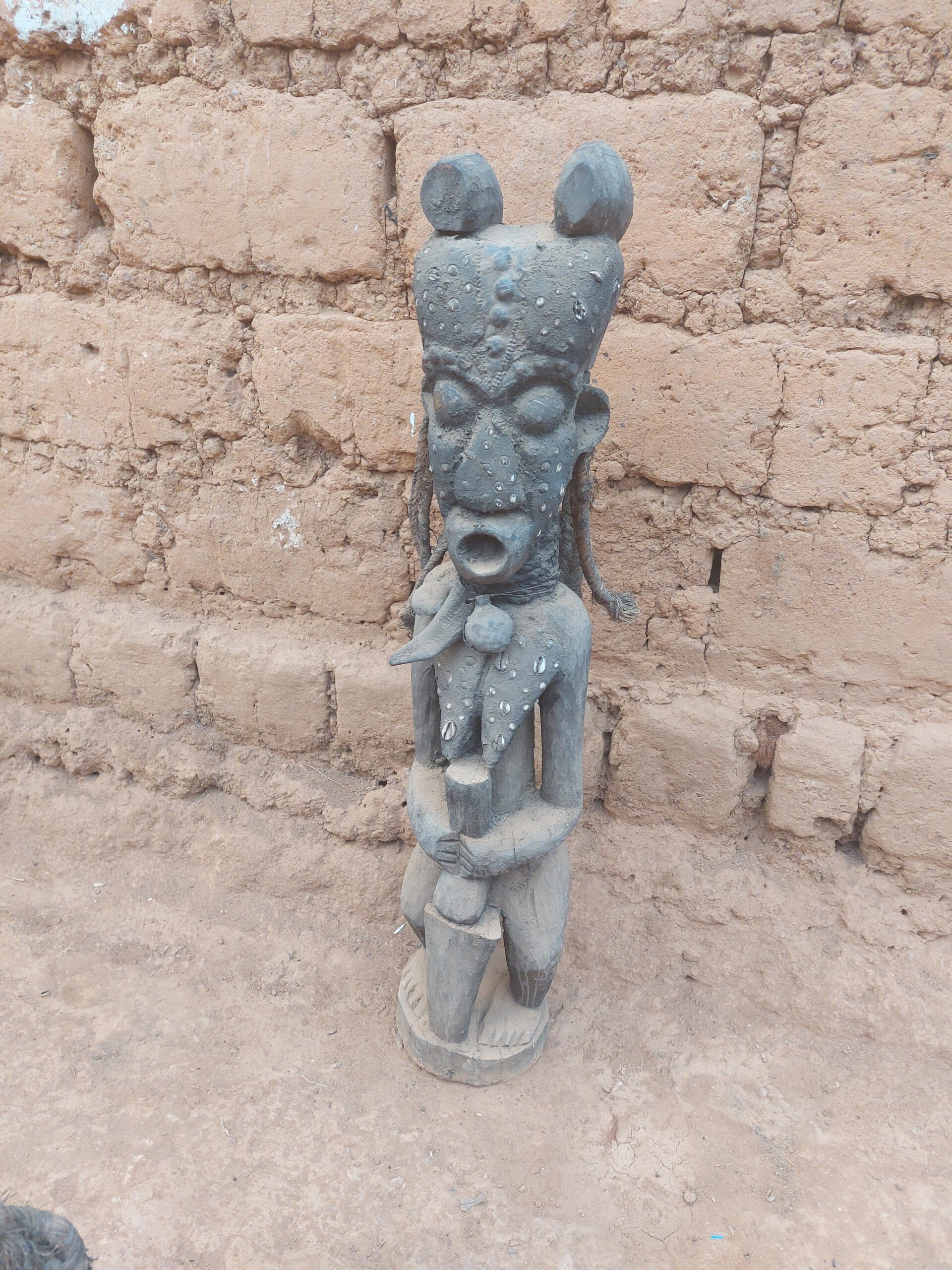
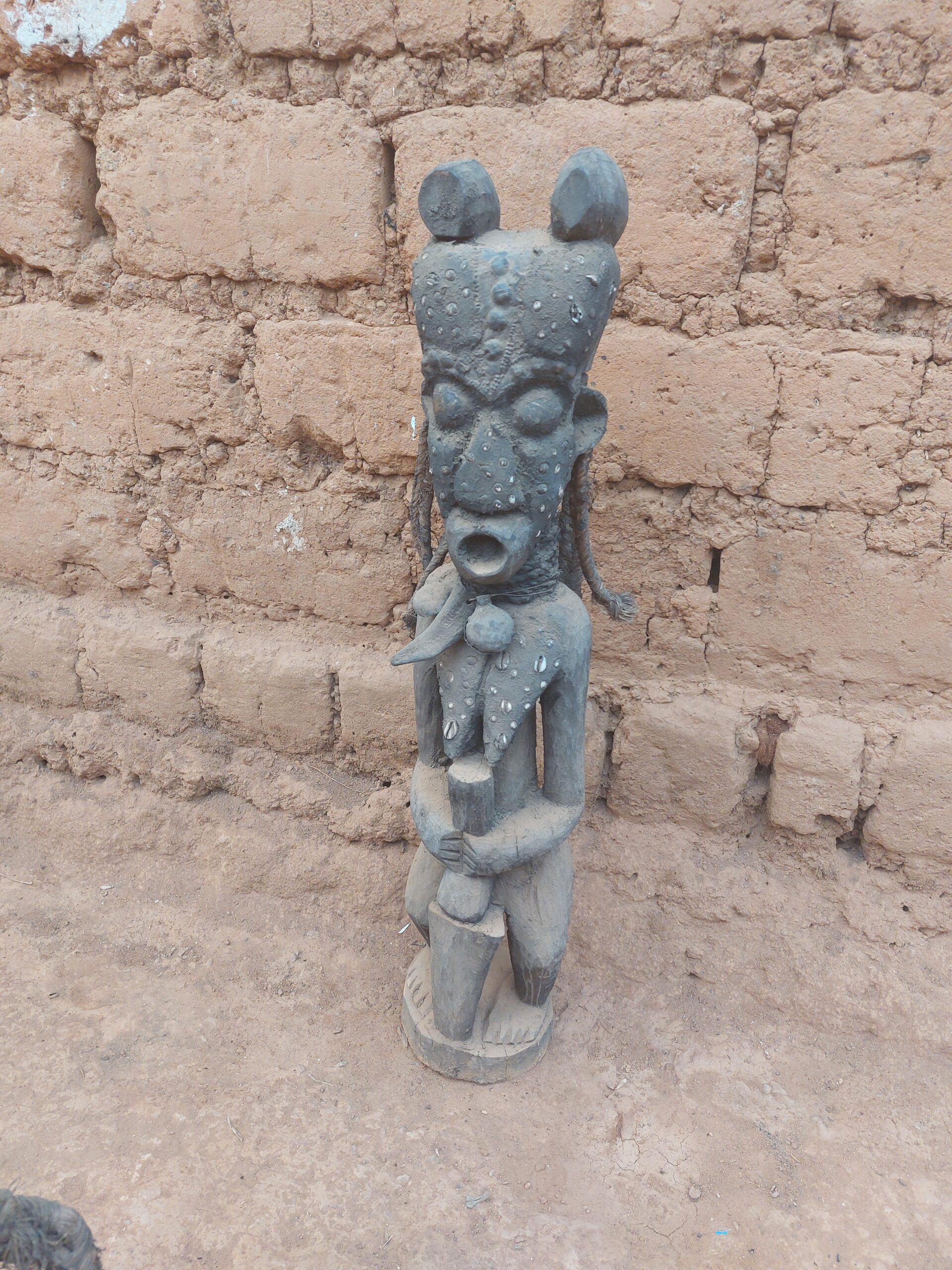
Shadu Shah (God of Music) - Since 1738
Shadu Shah, the god of music, holds a special place in the hearts of artists and musicians within the Bamoun community. His influence is evident in the vibrant cultural practices that revolve around music and creativity. The stories surrounding Shadu Shah are filled with inspiration and artistic expression.
One captivating tale involves a young musician named Amina, who struggled to find her unique voice in a world filled with competition. Feeling disheartened, she visited a sacred grove dedicated to Shadu Shah, where she poured her heart into her flute, hoping to attract the god’s attention.
As she played, a gentle breeze enveloped her, and Shadu Shah appeared, radiating warmth and encouragement. He whispered to her, urging her to embrace her individuality and express her deepest emotions through her music. Inspired by his guidance, Amina composed a beautiful piece that captured the essence of her journey.
When she performed her music at the annual festival, the audience was mesmerized by the beauty of her melodies. Amina’s success became a symbol of the transformative power of creativity, and she dedicated her achievements to Shadu Shah, continuing to honor him in her performances.
Artifacts associated with Shadu Shah, such as musical instruments and charms, are now sought after by artists and musicians who wish to enhance their creative abilities and connect with the divine inspiration of music.
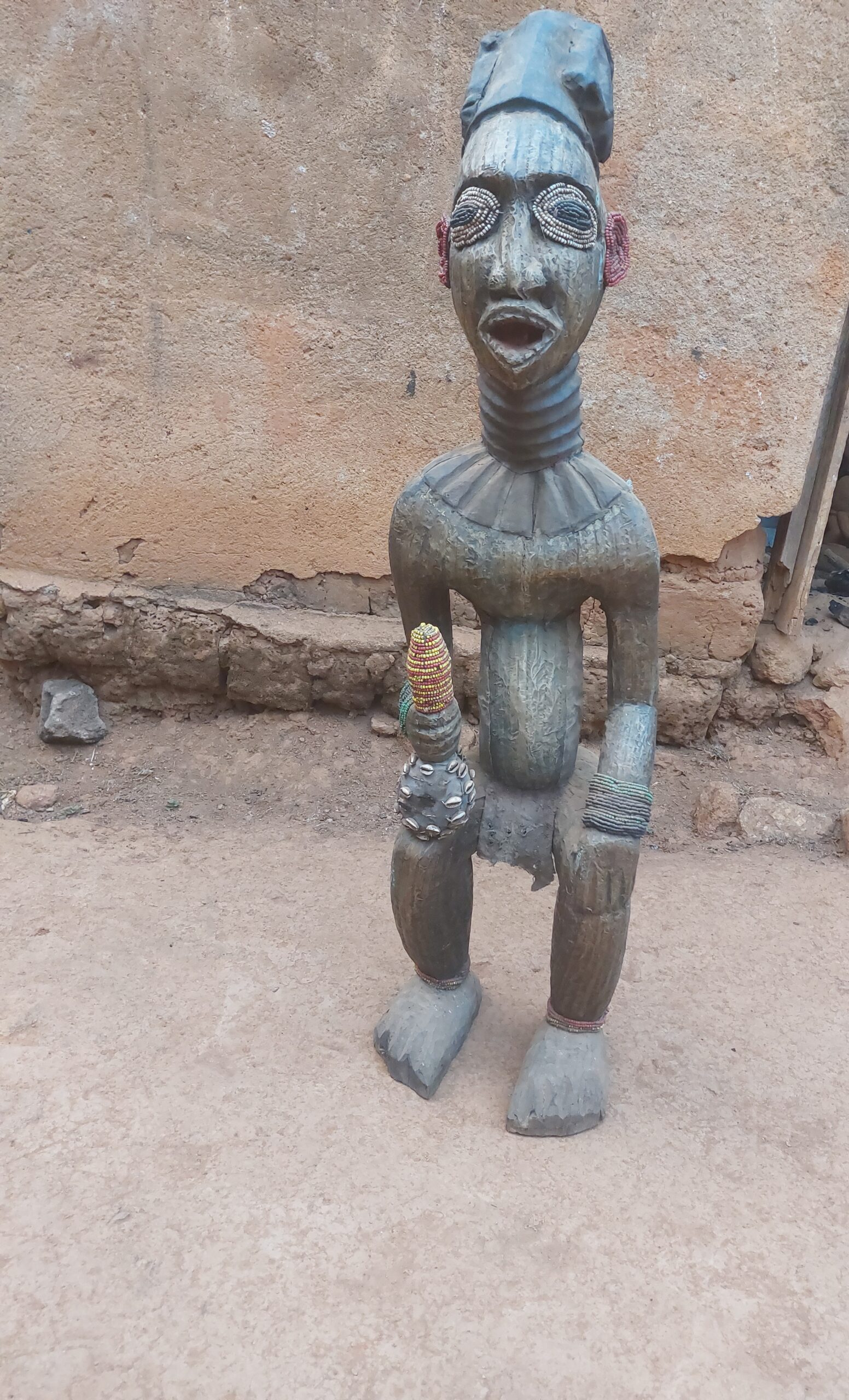
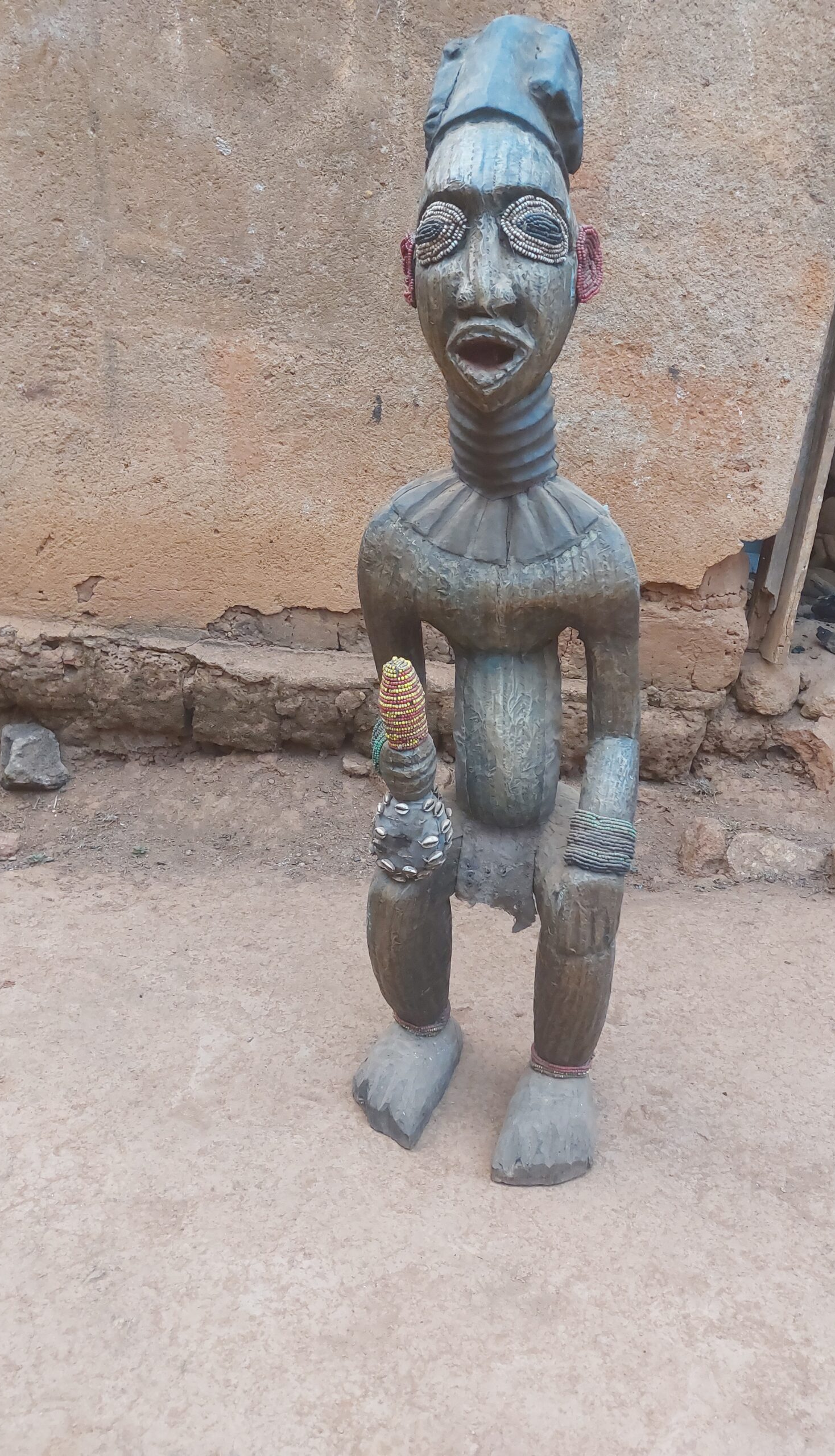
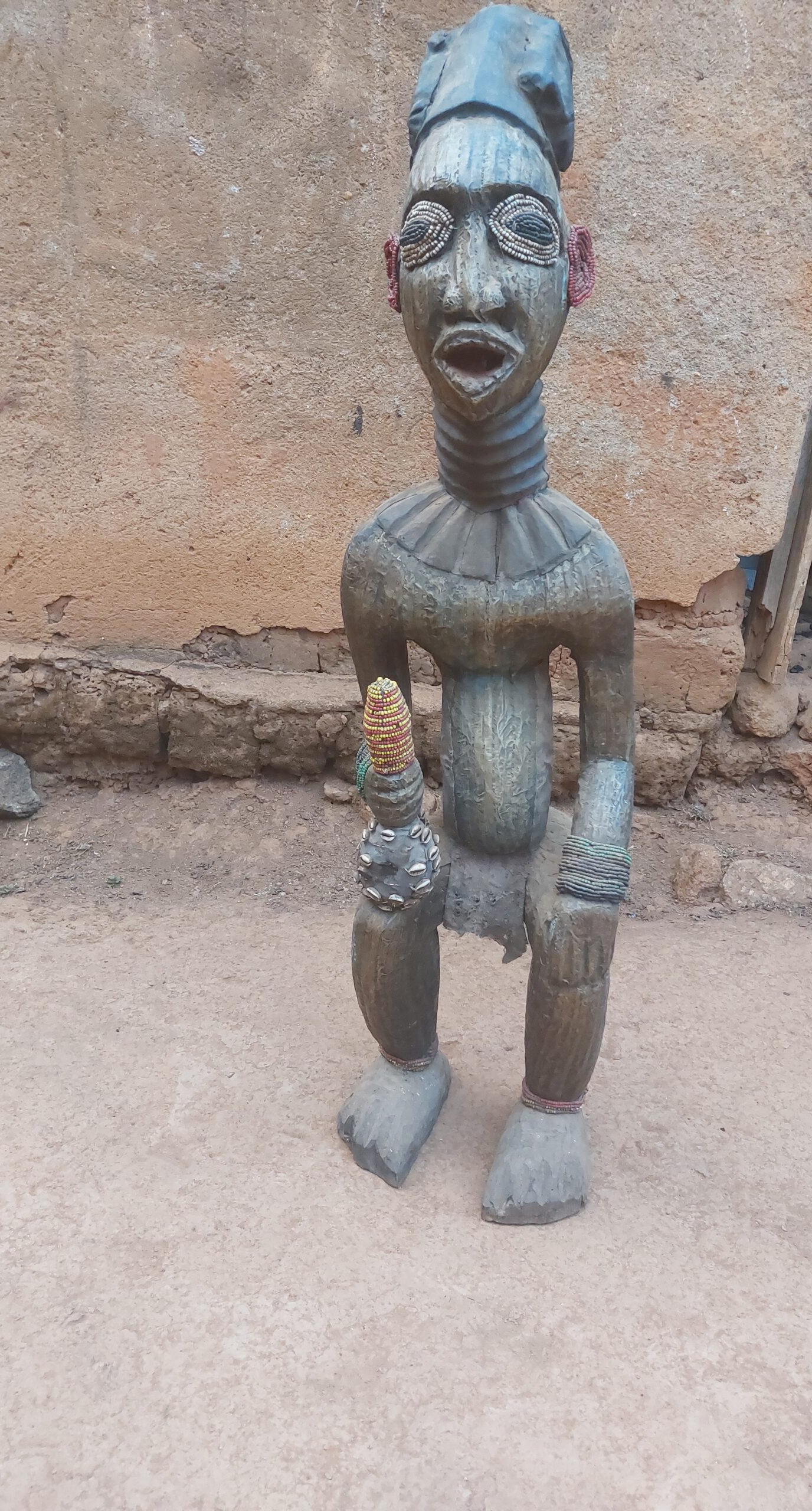
Ashuh and Mushah (Gods of Favor) - SInce 1892
Ashuh and Mushah, the divine couple representing favor and success, are celebrated for their ability to bring good fortune to individuals and communities alike. Their stories emphasize the importance of gratitude and positivity, inspiring many to seek their blessings.
A remarkable account involves a local farmer who faced dire challenges during a particularly difficult season. After consulting with spiritual leaders, the farmer organized a community event to honor Ashuh and Mushah, inviting neighbors to join in a celebration of gratitude and hope.
During the gathering, families shared stories of their struggles and triumphs, offering food and crafts to the divine couple. Moved by their communal spirit, Ashuh and Mushah appeared in a radiant light, bestowing blessings upon the farmer and the entire community.
Following the event, the farmer experienced an unexpected bountiful harvest, transforming his fortunes and reinforcing the belief in the couple’s favor. The community established an annual festival in their honor, celebrating achievements and expressing gratitude for the blessings they received.
Artifacts dedicated to Ashuh and Mushah, such as good luck charms and symbols of success, are now cherished by those seeking to invite positive outcomes into their lives and endeavors.
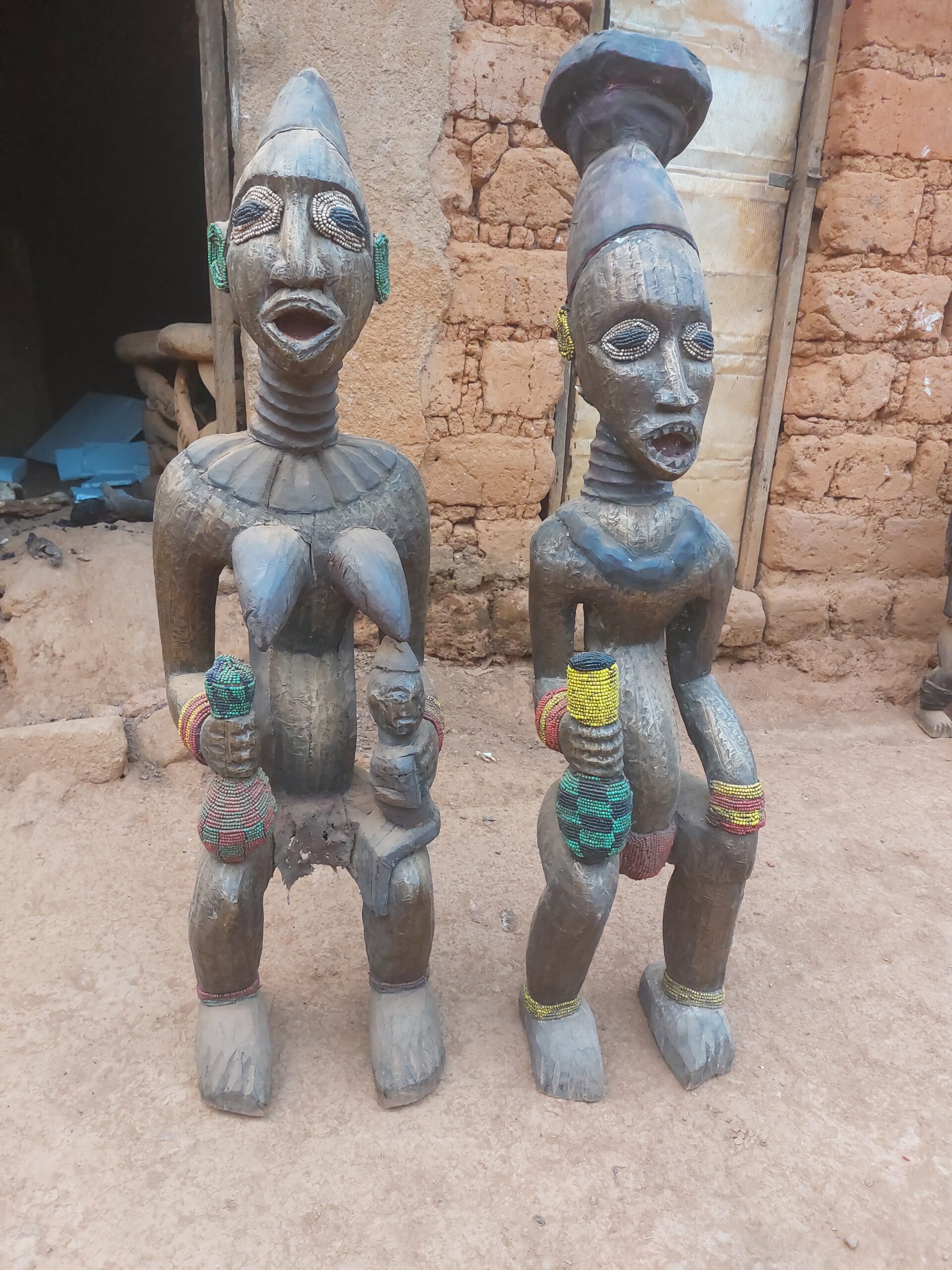
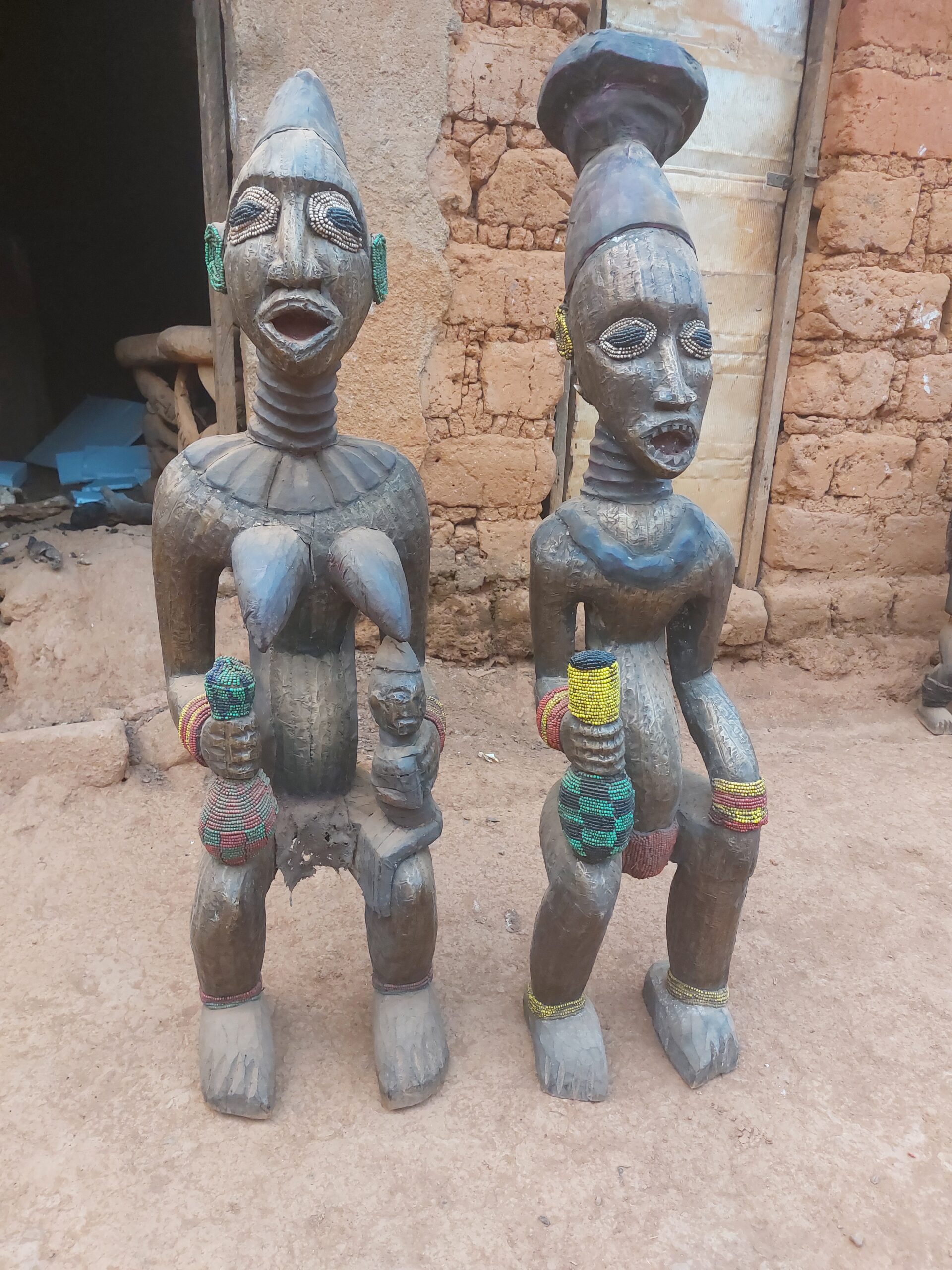
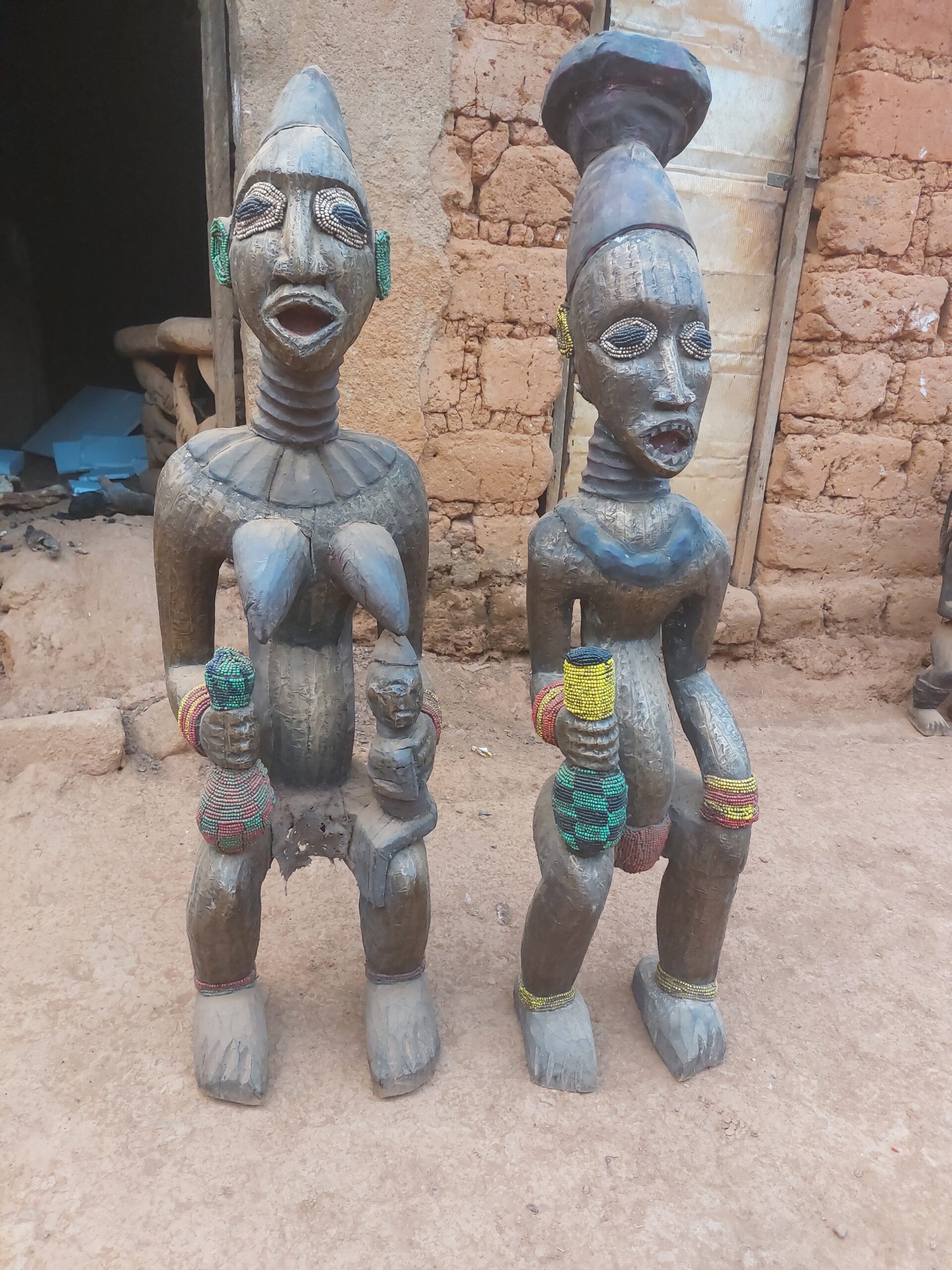
Sing Shih (God of the Rivers) - Since 1614
Sing Shih, the god of the rivers, is revered for his role in sustaining life and the ecosystem. His influence is deeply felt among the Bamoun people, who recognize the importance of water in their daily lives. The stories surrounding Sing Shih emphasize respect for nature and the interconnectedness of all living beings.
One significant event in Bamoun history involved a severe drought that left rivers low and crops failing. The community, recognizing their dependence on water, mobilized to honor Sing Shih through a ceremonial gathering. They prayed for rain and offered their best produce to the god, expressing their gratitude for the life-giving rivers.
As the sun set, dark clouds gathered, and rain began to pour, rejuvenating the rivers and revitalizing the land. The villagers celebrated with songs and dances, their joy echoing through the valleys as they thanked Sing Shih for his intervention. This event solidified the belief in his protective role over their resources.
Artifacts associated with Sing Shih, such as water symbols and river charms, are now sought after by those wishing to honor the life-giving properties of water and invite abundance into their lives.
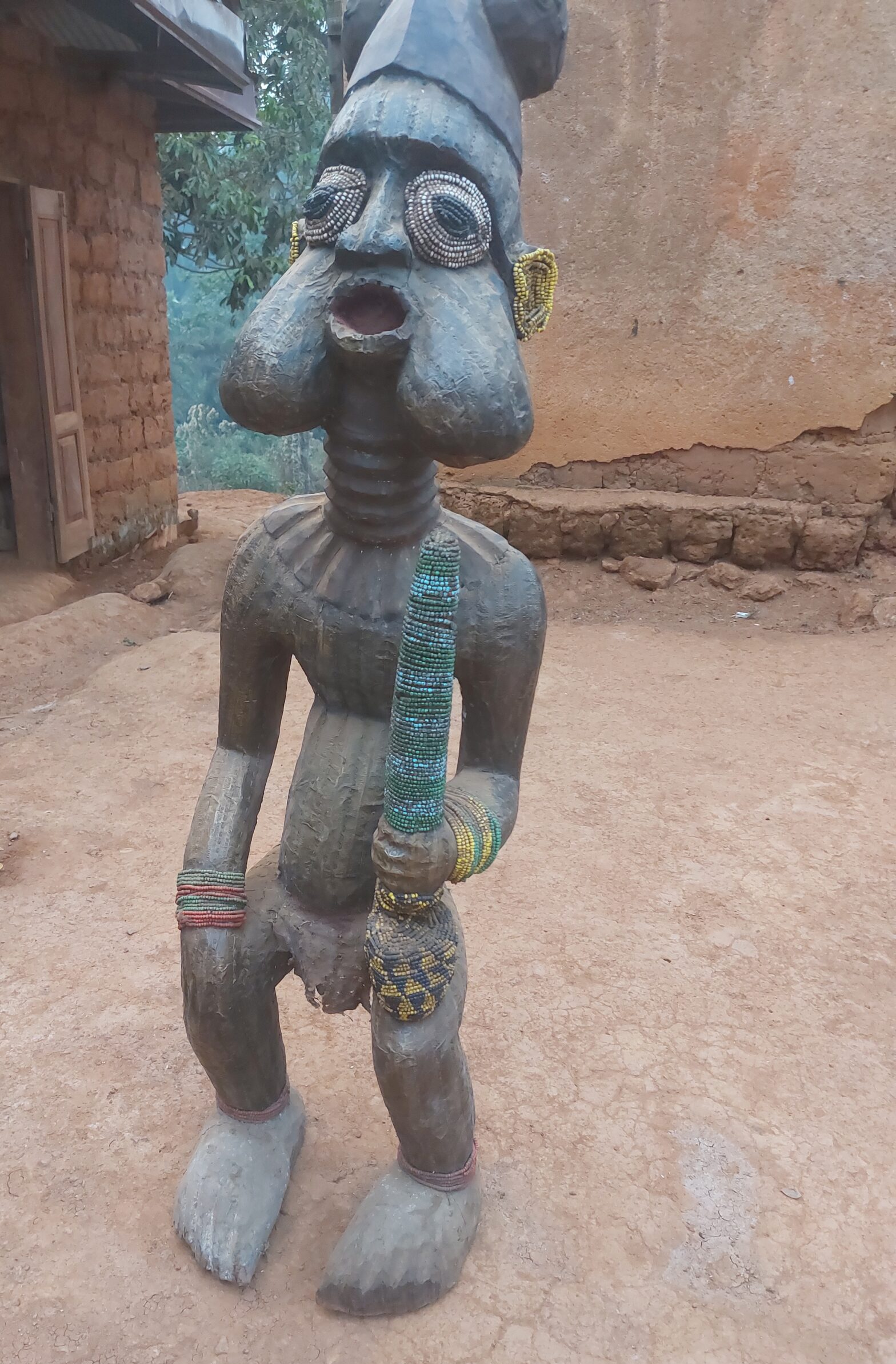
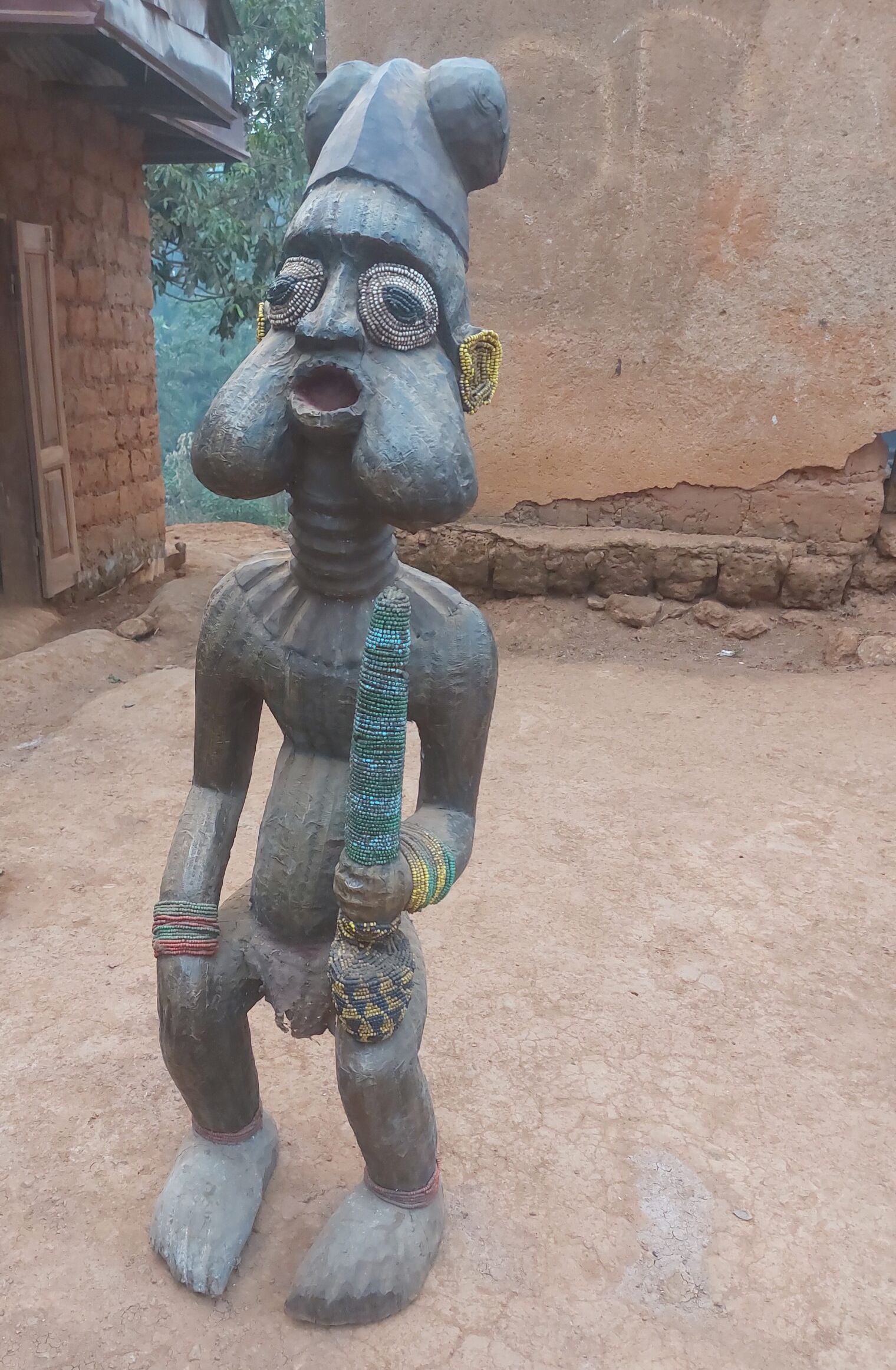
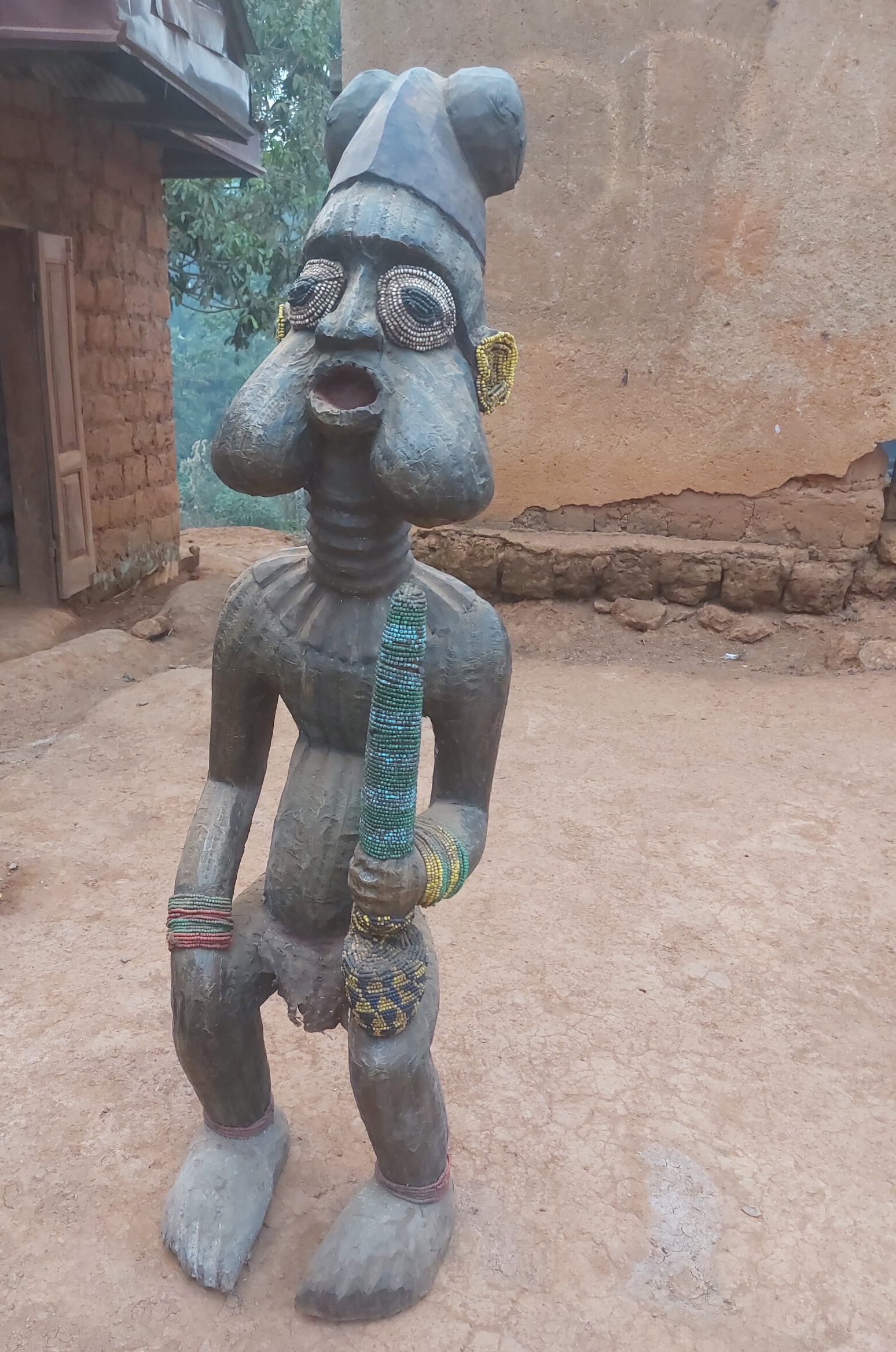
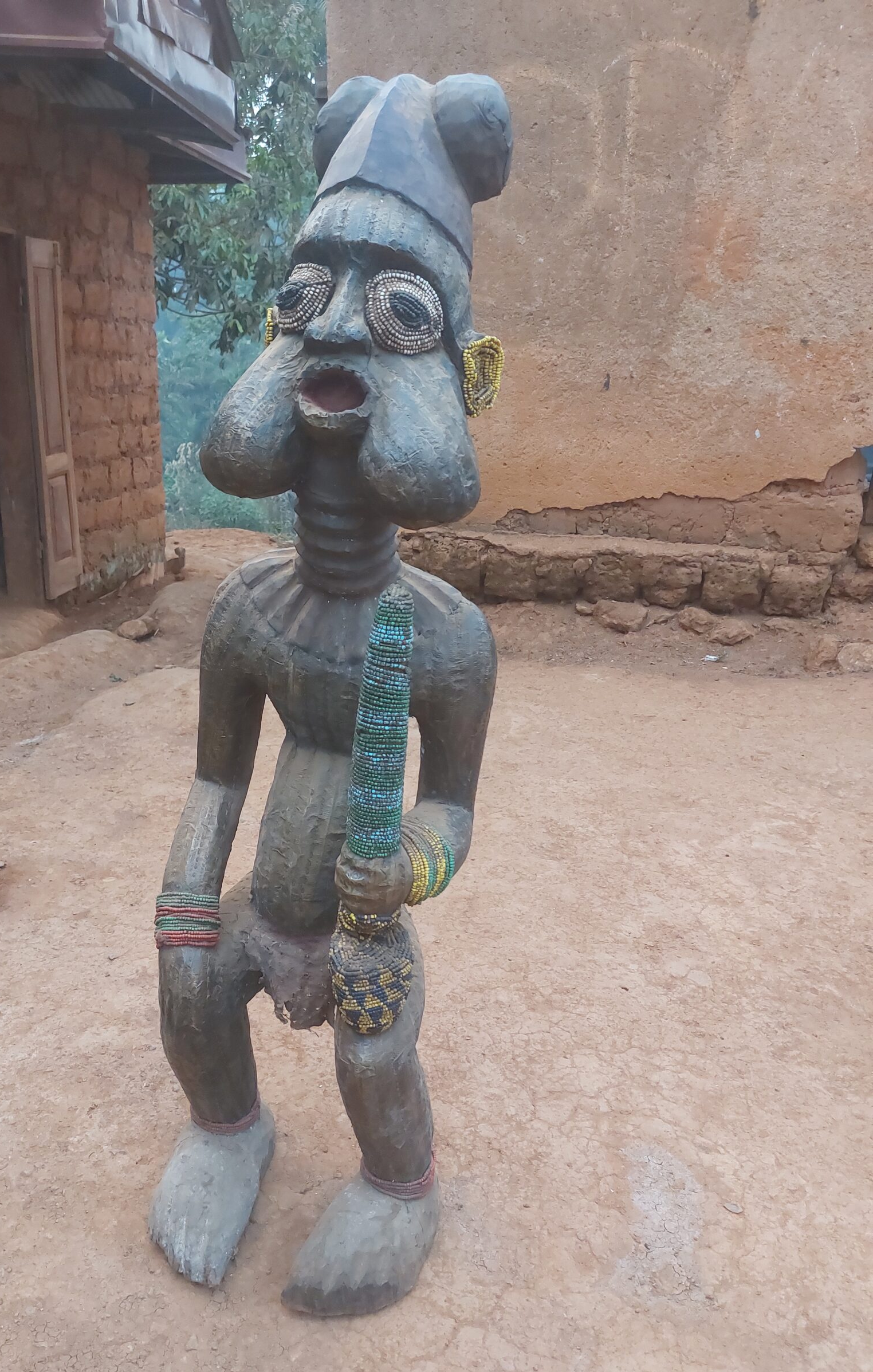
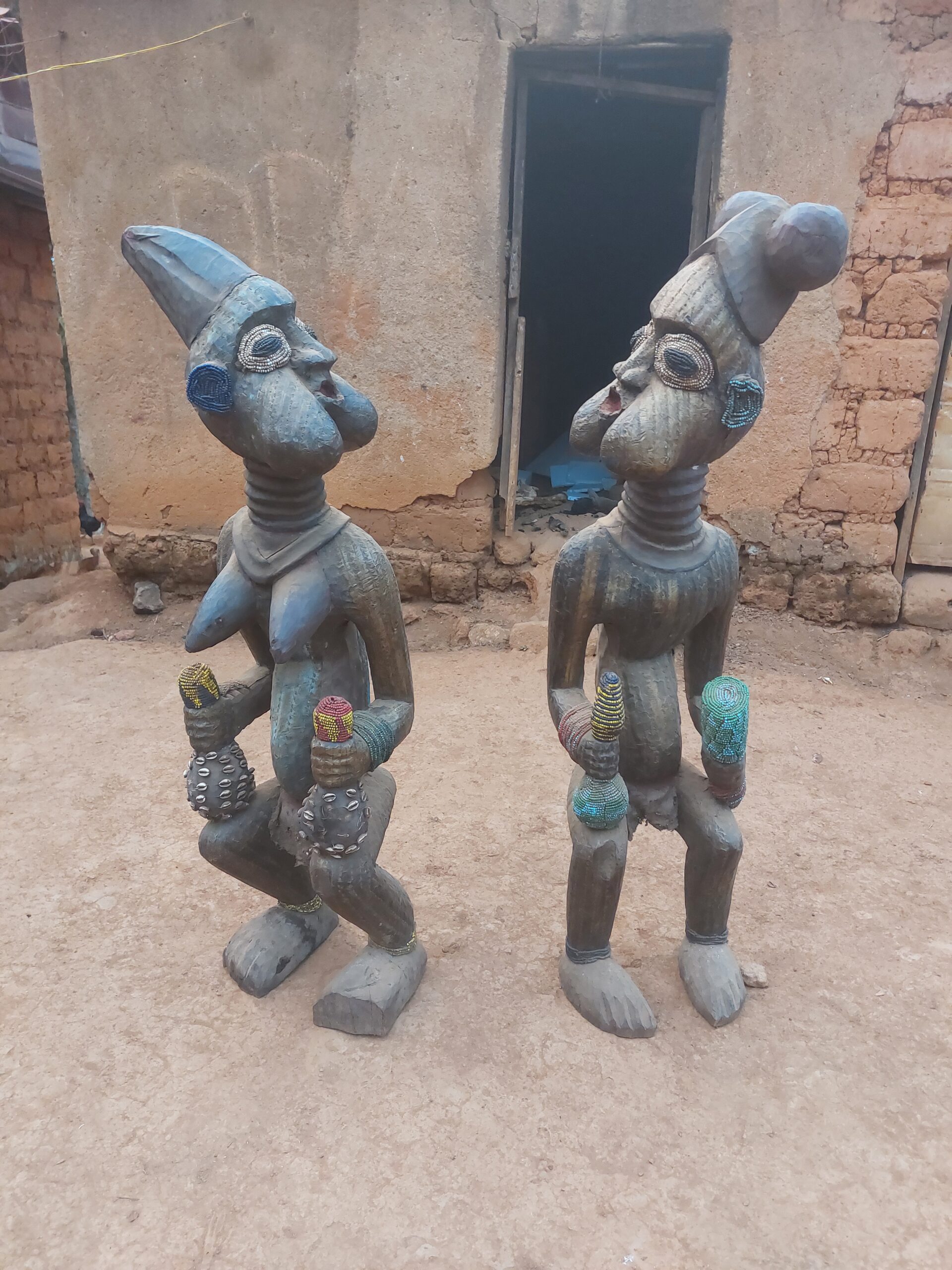
Mishoh and Shayih (Gods of Thunder) - Since 1622
Mishoh and Shayih, the powerful god and goddess of thunder, embody strength and authority over the elements. Their stories are filled with dramatic events that showcase their might, reinforcing the belief in their protective and transformative powers.
A notable tale recounts a time when a powerful storm threatened a village, instilling fear in the hearts of its residents. In their desperation, the community gathered to pray to Mishoh and Shayih for protection and guidance during the tumultuous weather.
As thunder rumbled in the distance, the villagers felt an electric energy surrounding them. The couple appeared in a dazzling display of light and sound, commanding the storm to calm. With their divine intervention, the storm subsided, and the villagers emerged to witness a breathtaking rainbow arching across the sky—a sign of hope and renewal.
In gratitude, the community established rituals to honor Mishoh and Shayih, emphasizing the importance of respect for nature and its forces. Artifacts dedicated to them, such as thunder symbols and protective charms, are now cherished by those seeking strength and guidance in their lives.
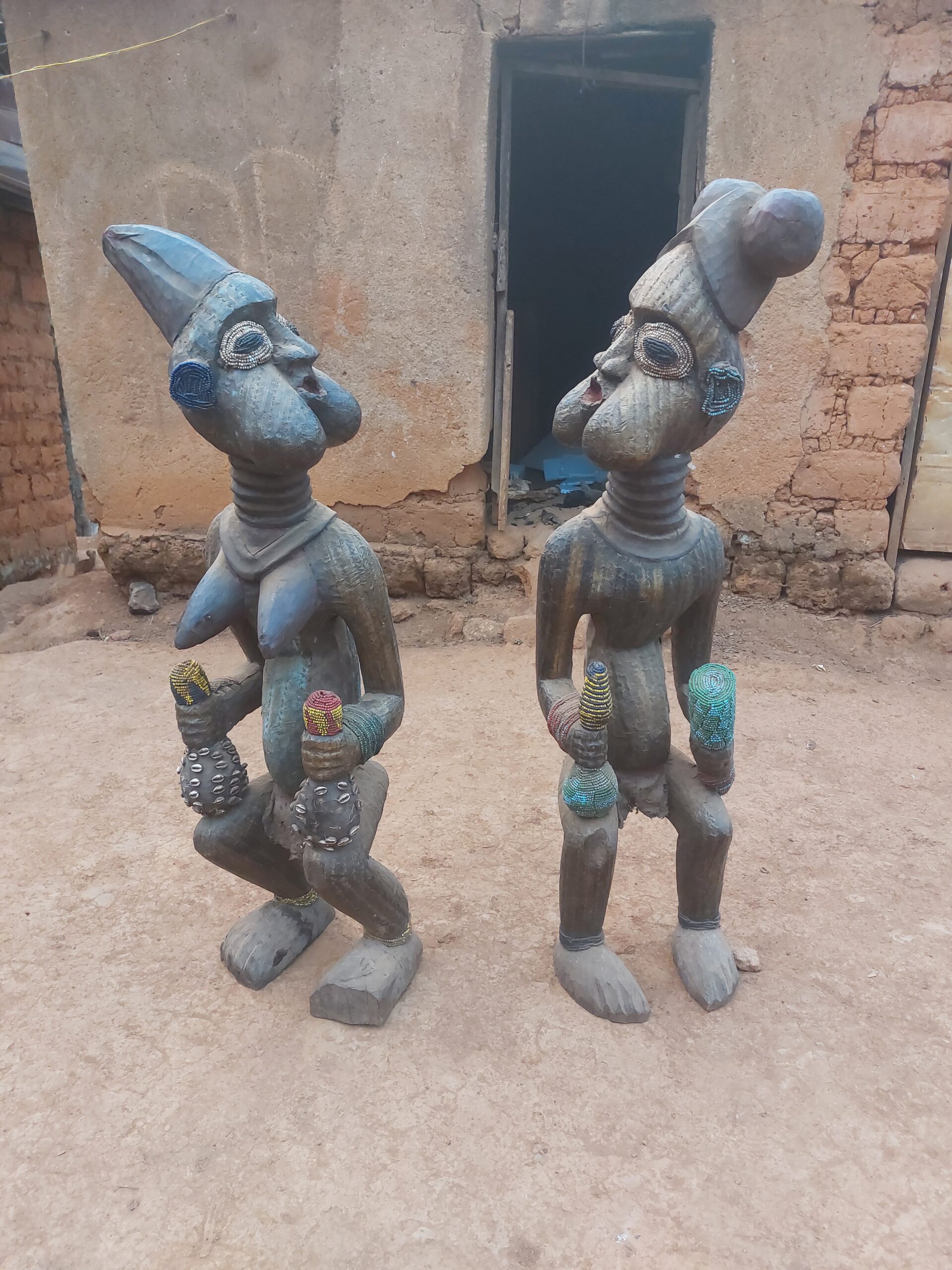
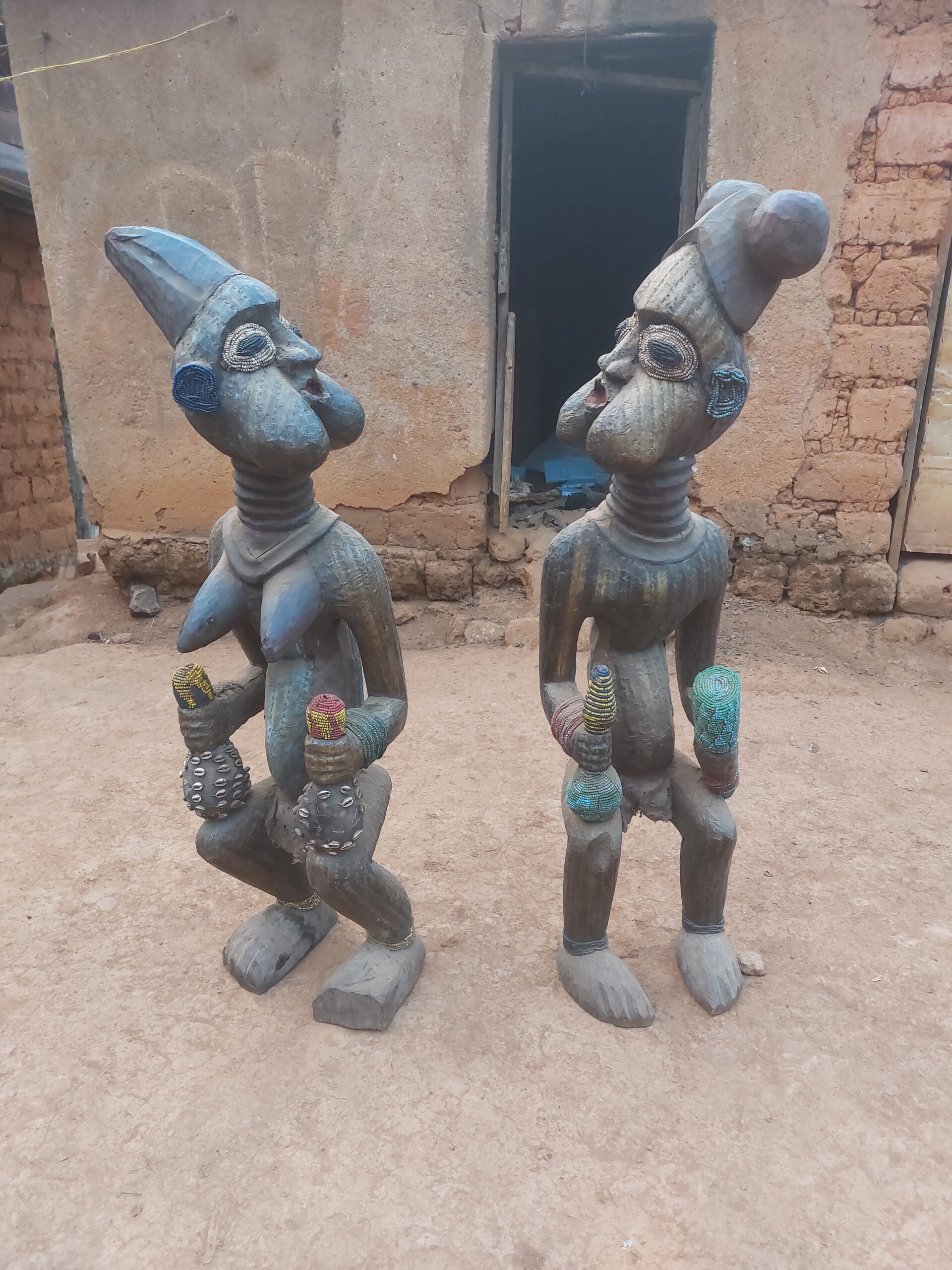
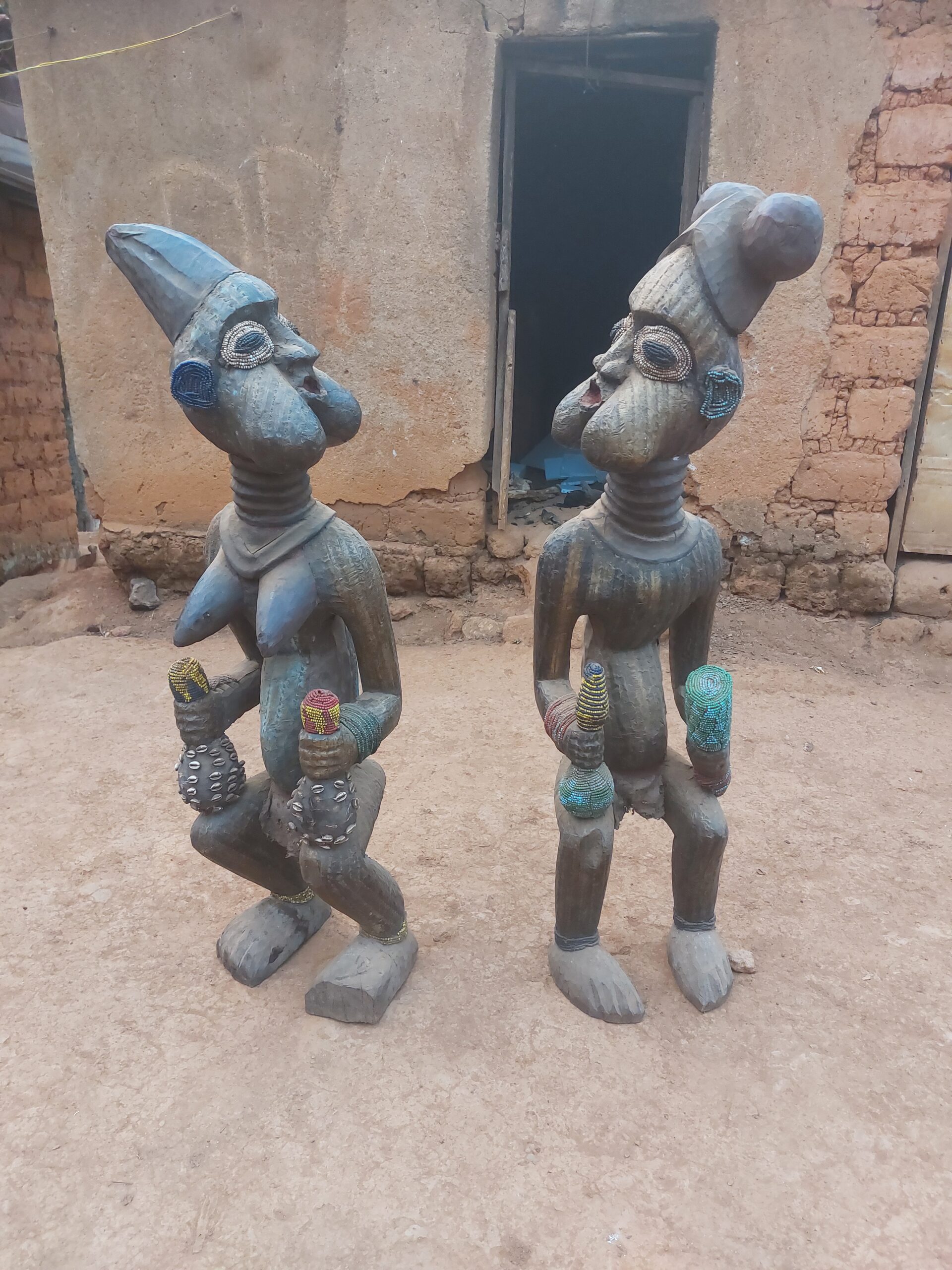
Nchoh Shuh (Goddess of Luck and Success) - SInce 1713
Nchoh Shuh, the goddess of luck and success, is revered for her ability to bring fortune and prosperity to those who honor her. Her stories are filled with inspiration, emphasizing the importance of hard work paired with her blessings.
One captivating account involves a young scholar named Kele, who struggled to gain recognition for his work in the community. After seeking Nchoh Shuh’s favor through prayer and offerings, he experienced a breakthrough when he was invited to present his research at a prestigious gathering.
With Nchoh Shuh’s guidance, Kele captivated the audience with his insights, leading to widespread acclaim and opportunities for collaboration. Grateful for her influence, he established a scholarship fund in her honor, ensuring that future generations could benefit from her blessings.
Artifacts dedicated to Nchoh Shuh, such as success symbols and good luck charms, are now sought after by individuals wishing to attract fortune and achieve their goals.
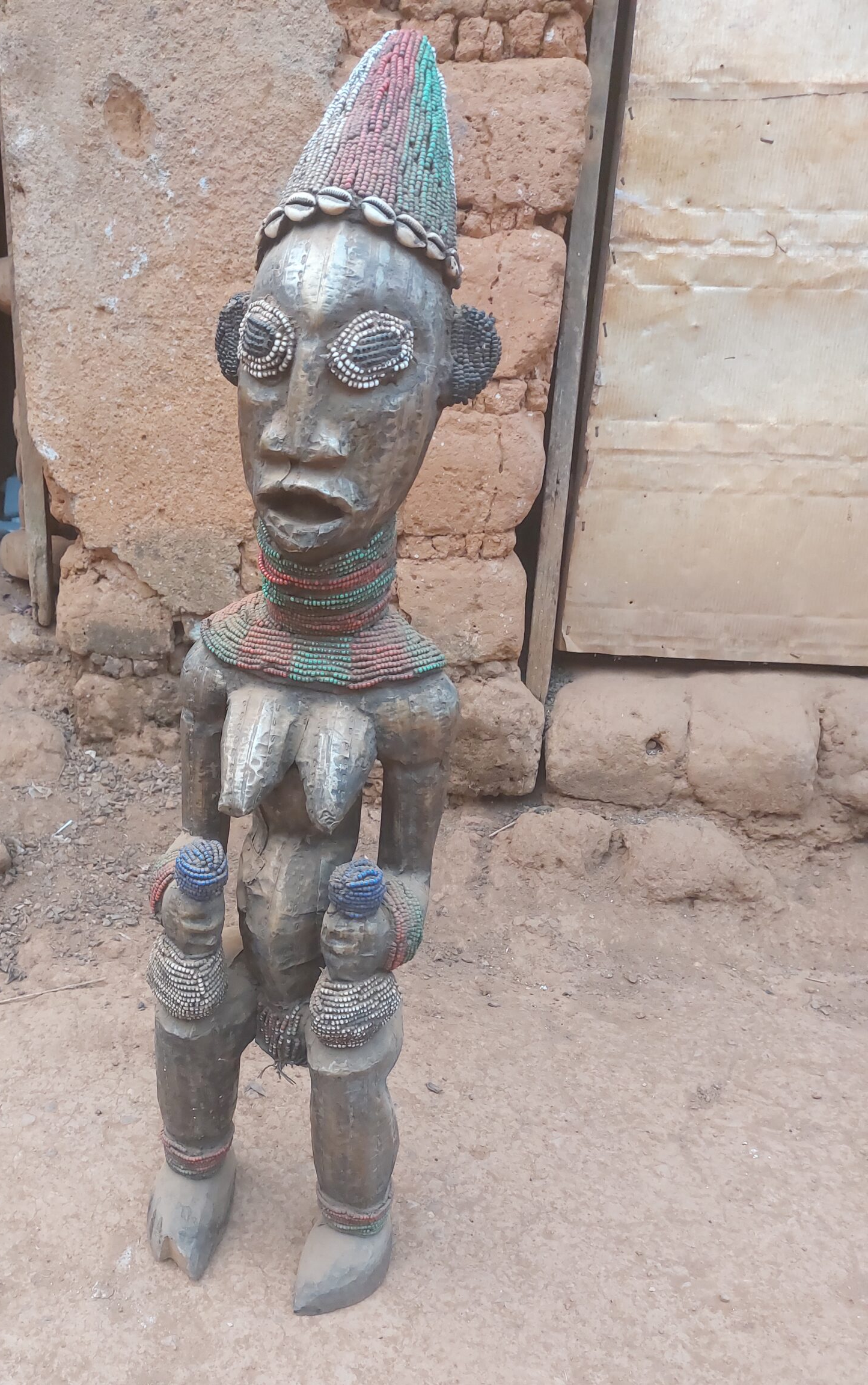
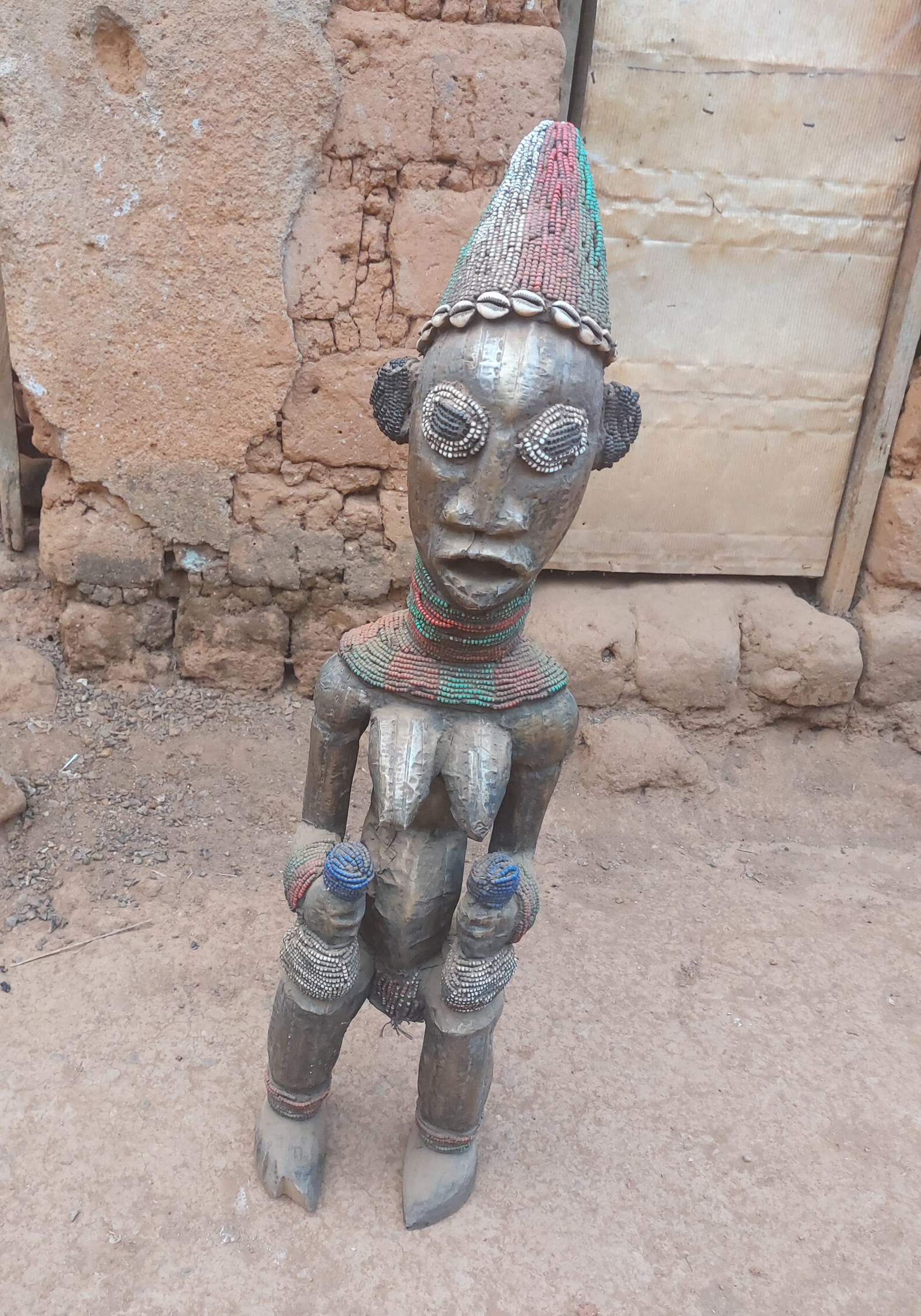
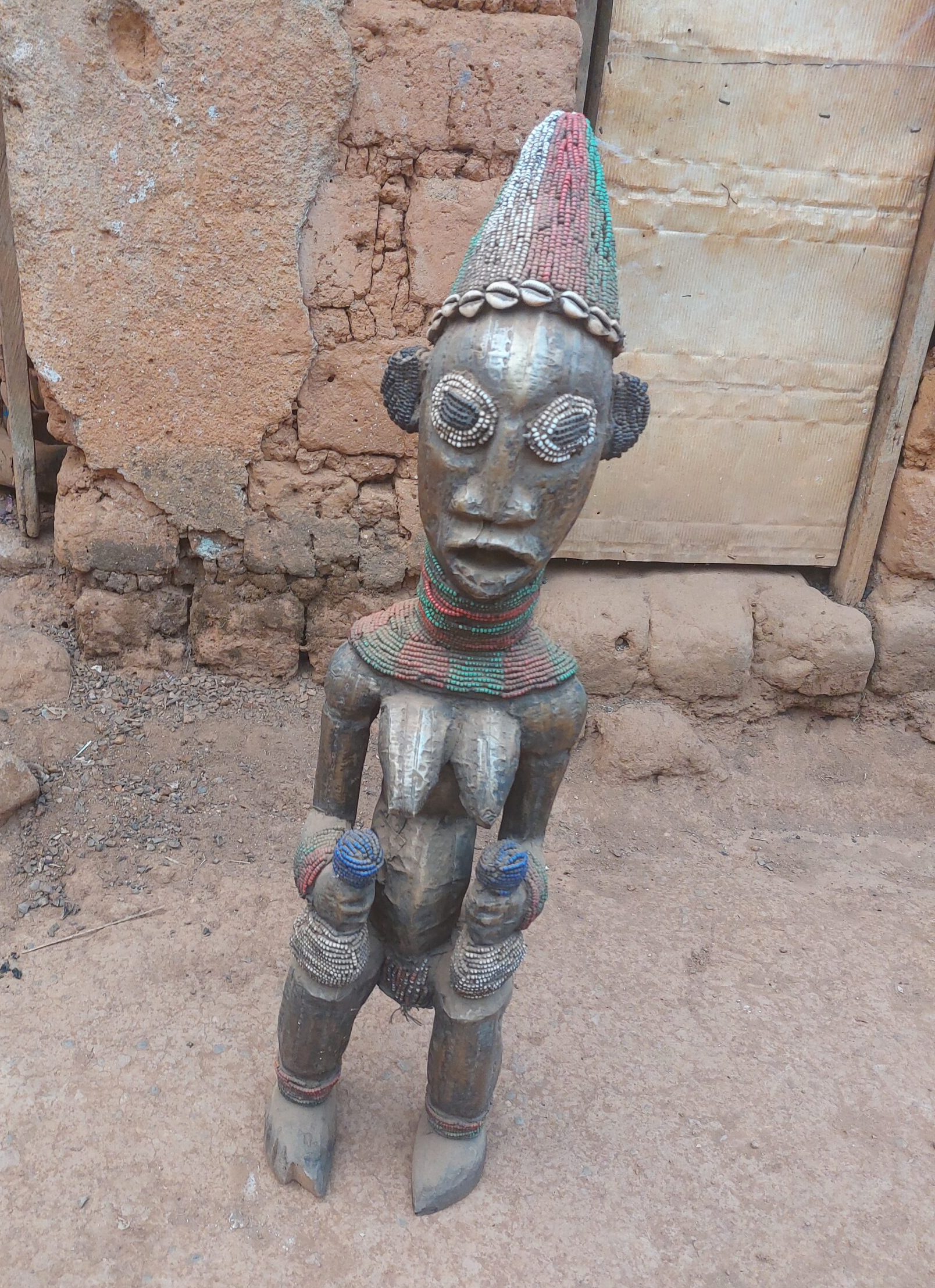
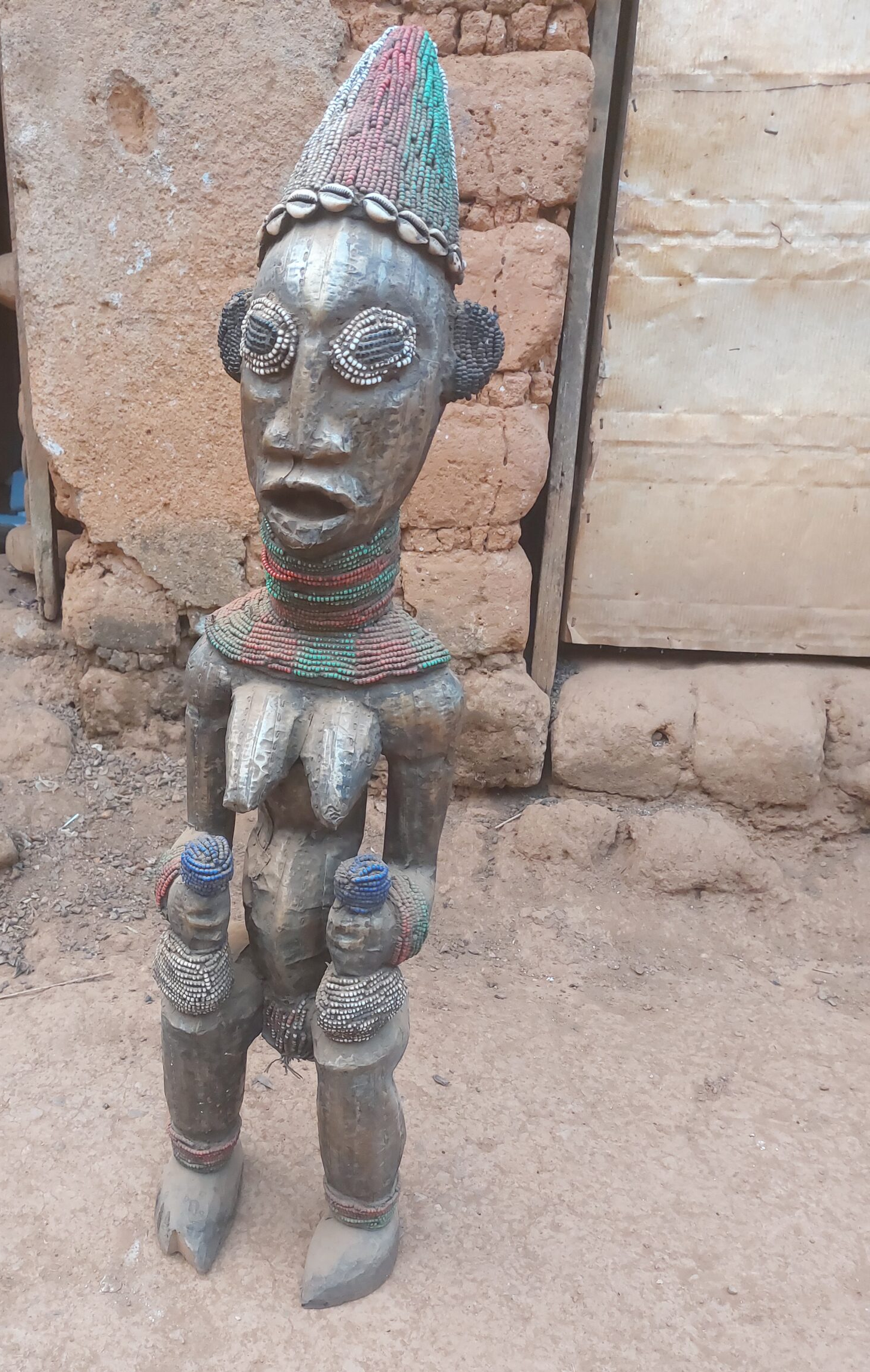
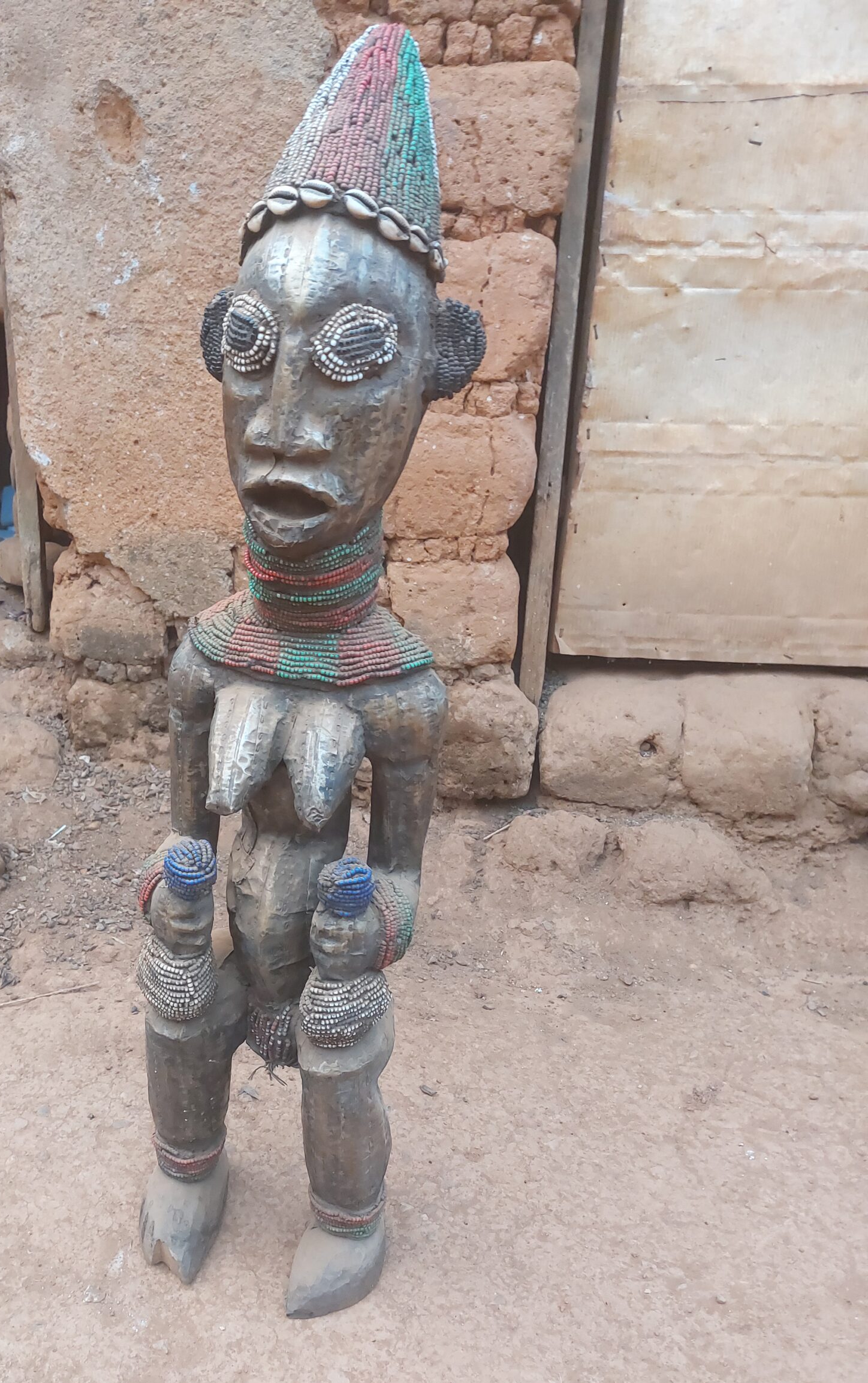
Musuh Yu (God of War) - Since 1412
Musuh Yu, the god of war, is celebrated for his embodiment of courage and fortitude. His influence resonates deeply within the Bamoun community, where warriors invoke him for strength before facing challenges.
A historical account tells of a pivotal battle where the Bamoun warriors united under the banner of Musuh Yu. As they prepared for the confrontation, the warriors gathered for a ceremonial prayer, seeking the god’s guidance and protection.
During the fierce battle, the warriors felt an overwhelming sense of courage, as if Musuh Yu himself fought alongside them. Their efforts culminated in a decisive victory, leading to greater stability in the region. The community commemorated this triumph with rituals honoring Musuh Yu, reinforcing the importance of bravery and unity.
Artifacts associated with Musuh Yu, such as warrior symbols and protective charms, are now cherished by those seeking strength and guidance in their endeavors.
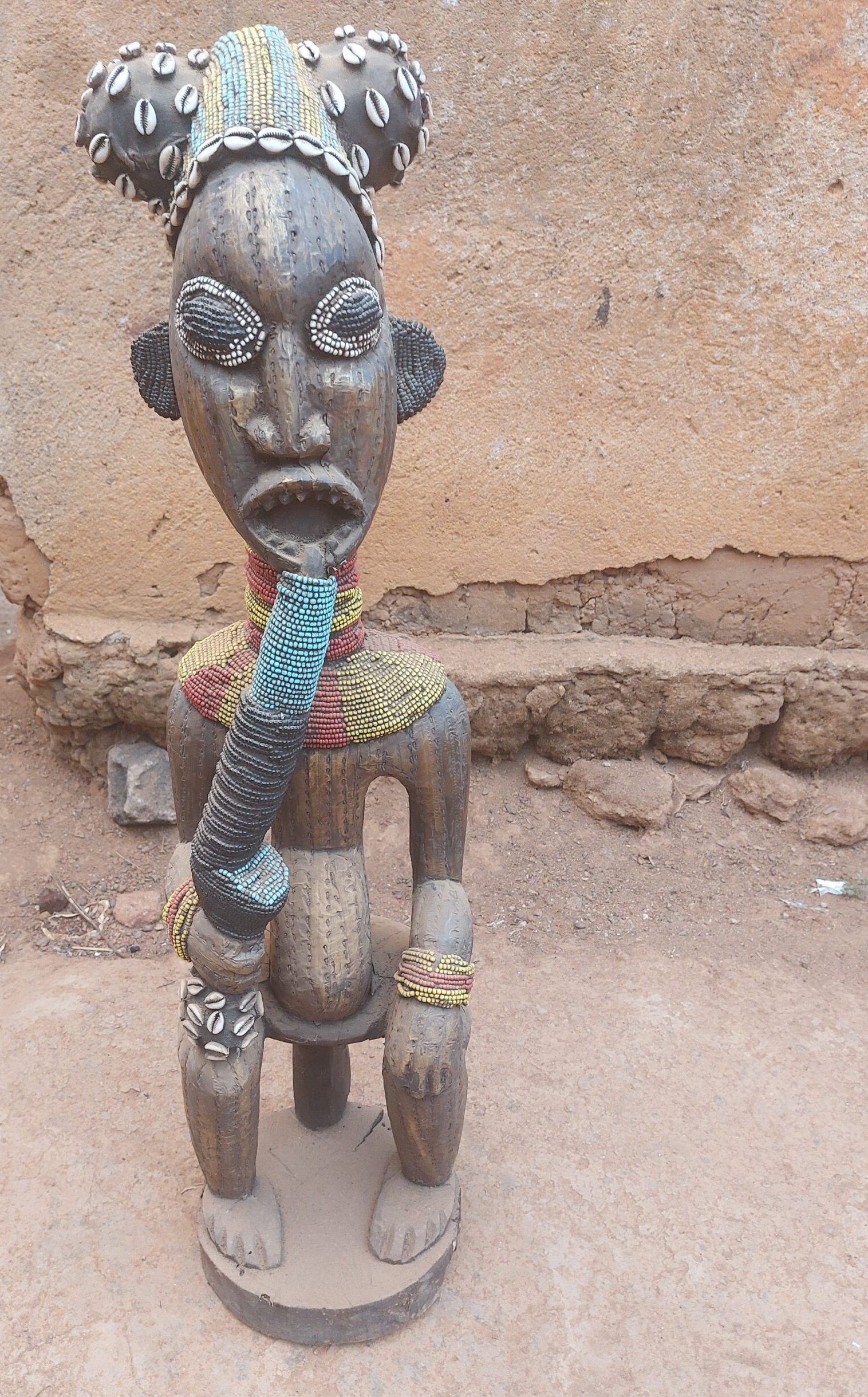
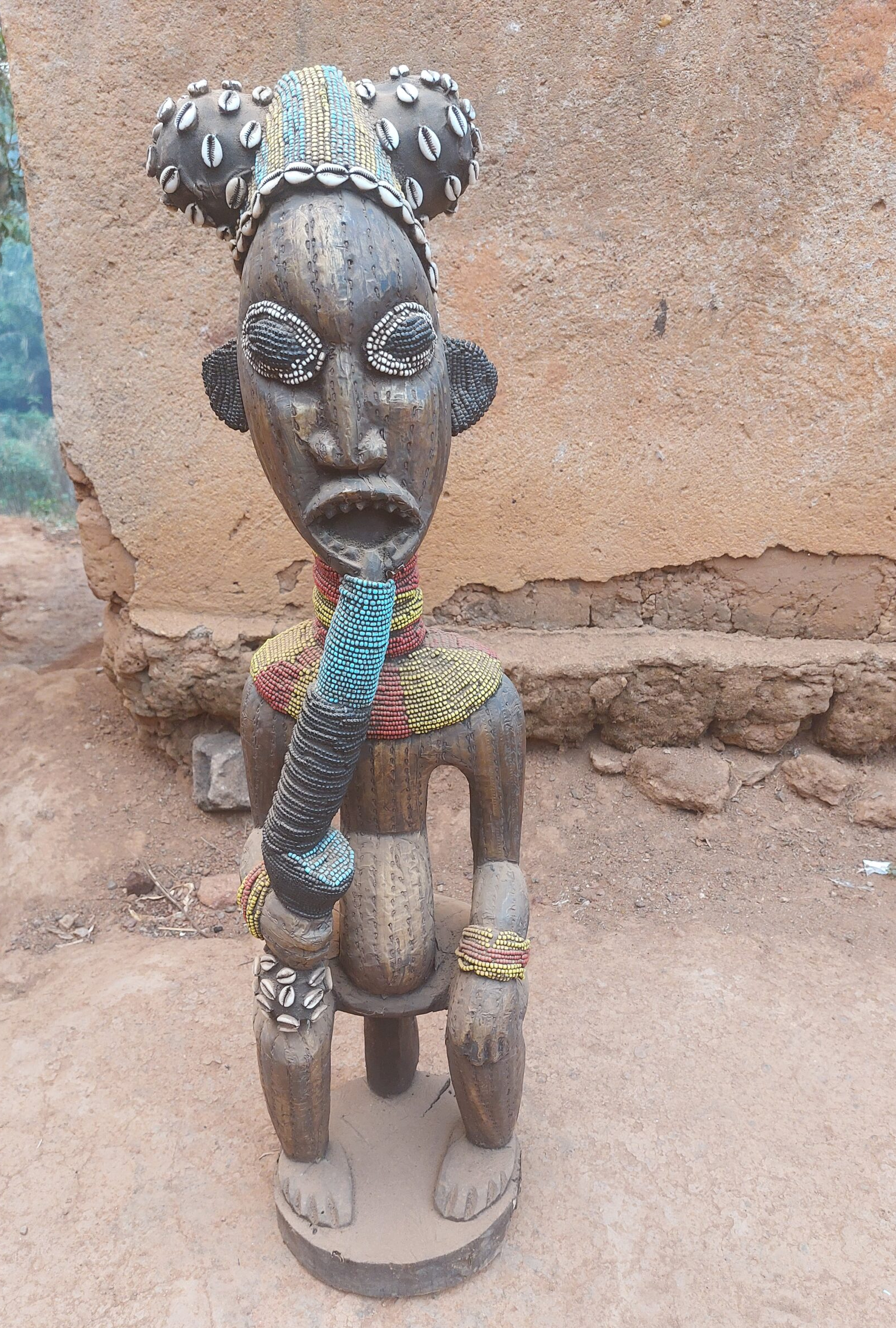
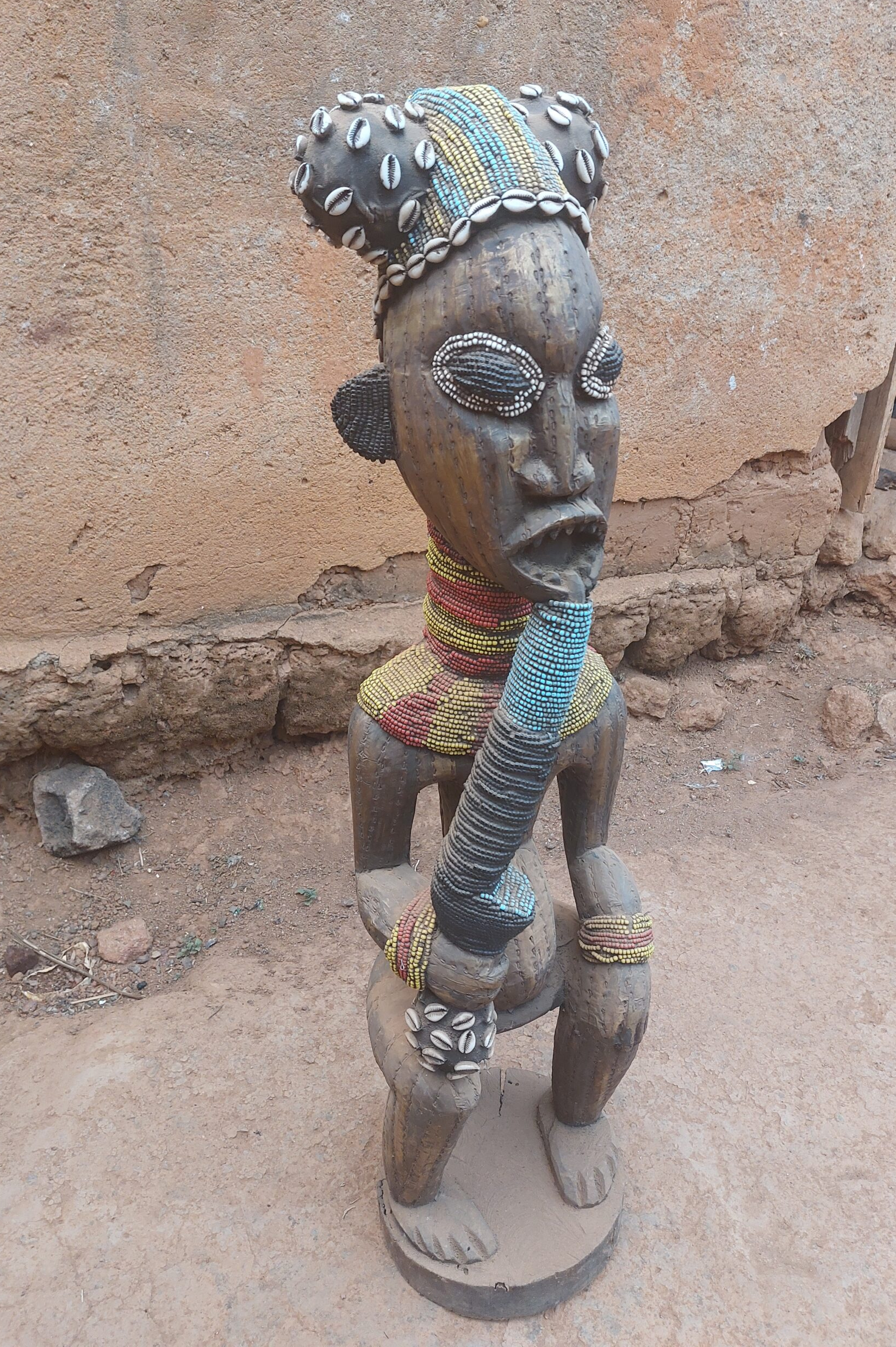
Shid Yuh (God of Knowledge and Wisdom) - Since 1842
Shid Yuh, the god of knowledge and wisdom, is revered as a source of enlightenment for the Bamoun people. His influence is felt among scholars and students, who invoke his blessings for guidance in their pursuits of understanding.
One significant account involves a group of young scholars preparing for their examinations. Recognizing the importance of knowledge, they gathered to honor Shid Yuh, offering prayers and symbols of learning.
On the day of their exams, the scholars felt a profound sense of clarity and focus, as if Shid Yuh was guiding their thoughts. Their success in the examinations led to a celebration of knowledge, and they established a tradition where students gather annually to honor Shid Yuh, recognizing the importance of learning and growth.
Artifacts dedicated to Shid Yuh, such as symbols of knowledge and wisdom charms, are now sought after by those wishing to enhance their intellectual pursuits and connect with the divine source of understanding.